Layout and utility locate
We mark the gate opening with stakes, confirm property boundaries, and contact Colorado 811 for utility locates before any digging starts. A gate opening is measured to the gate, not the other way around.
Every gate we install comes with the same core scope: layout, post setting, the gate itself, hardware, and cleanup. Here is what is covered, and what we will flag before we start if your lot needs something different.
We mark the gate opening with stakes, confirm property boundaries, and contact Colorado 811 for utility locates before any digging starts. A gate opening is measured to the gate, not the other way around.
Gate posts go deeper than line posts in concrete — frost depth in the Denver metro is commonly cited at about 36 inches, and a gate post carries the whole gate's weight every time it swings.
The gate is built square on the bench with a diagonal brace, so it does not rack. We check the diagonal before the gate goes on the hinges, not after.
Heavy hinges, a latch that meets the post, and hardware matched to the gate's weight. A latch that does not meet the post is a gate that does not close, and we test it before we leave.
We check the Denver rules for your address — 4 feet in front of the primary facade, 6 feet behind it, zoning permit over 4 feet — and help with HOA submittals. A gate in a historic district needs the same review as the fence around it.
Old gate, posts, footings, and scrap all go in the trailer. We rake the work area, sweep the driveway, and walk the line with you before we leave.
Gate installation Denver CO is the process of setting two posts deeper than the rest of the fence, building a gate square to the opening, and hanging it on hinges that carry its weight. The work is in the posts and the frame: a gate that is built square and hung on a deep post swings clean for years, and a gate built out of square on a shallow post drags within a season.
Most Denver homeowners need a gate for one of three openings: a walk gate to the front yard, a side gate to the alley, or a double gate to the driveway. The walk gate is used every day and has to latch every time. The alley gate is the most-used gate on the lot and takes the most wear. The driveway gate has to clear the drive and the cars, and its posts carry the most weight. Each one is built to its opening.
Every job follows the same four steps, whether it is a walk gate in Congress Park or a double drive gate in University Hills. You will know what happens each day.
Call
Call (720) 697-2456, Monday through Sunday, 7:00 AM to 8:00 PM, and we will talk through the gate installation, the yard, and the lot, and set a time to measure.
Measure & plan
We measure the opening, check the ground and the slope, note the swing clearance, and confirm the height, permit, and HOA rules for your address.
Build
Gate posts go in concrete and cure, the gate is built square and braced, and it is hung, tested, and adjusted. We keep the site tidy as we go.
Walk-through
We walk the gate with you when the build is done, check every gate and latch, and clear the site before we leave.
Post hole digger and auger
Used to bore clean holes deep enough to clear the frost line for the gate posts, which carry more load than any line post.
String line and level
The string line keeps the gate posts in line with the fence, and the level keeps them plumb. A gate post out of plumb is a gate that will not latch.
Circular saw and nail gun
The circular saw cuts the gate frame and pickets to length, and the nail gun fastens them consistent with the fence.
Tamper and wheelbarrow
The tamper packs soil around each footing — that is what keeps a gate post from shifting — and the wheelbarrow moves concrete mix to the hole.
Level and square
The gate is built square on the bench and checked with a level and a square before it goes on the hinges. A gate built out of square drags from day one.
Gate brackets and heavy hinges
Used on every gate to add structural strength. A bracketed gate resists racking far better than nails alone, and heavy hinges carry the weight without sagging.
Gate posts set deeper than line posts
A gate post carries the whole gate's weight every time it swings, so it goes deeper than a line post in concrete. Frost depth in the Denver metro is commonly cited at about 36 inches, and a gate post is set to clear it with room to spare.
Built square, hung plumb
The gate is built square on the bench, checked with a level and a square, and hung on plumb posts. A gate built out of square drags from day one.
Diagonal brace on every gate
Every gate gets a diagonal brace that carries the weight to the hinge side. A gate without a brace racks, and a racked gate drags.
Latch tested before we leave
The latch has to meet the post and hold the gate shut. We test the swing and the latch before we leave, and we adjust them until they work every time.
01
What we do:We measure the walkway opening, build a gate to match the fence — cedar, vinyl, aluminum, or iron — and hang it on deep-set posts with a latch that meets the post. The gate is built to the opening, not the other way around.
→ A front gate that swings clean and latches every time, and matches the fence around it.
02
What we do:We measure the alley opening, build a braced gate with heavy hinges, and set the posts deeper than the line posts. The alley gate is used every day for bins, bikes, and the car, so it is built for daily use.
→ An alley gate that still swings clean after a year of daily use.
03
What we do:We measure the drive opening, build two gates that meet in the middle, and set the posts deep enough to carry them. The gates are built square and hung so they meet level and latch together.
→ A driveway that opens fully when you need it and stays shut when you do not.
04
What we do:We diagnose the cause first — hinge, post, or frame — then fix the actual problem. Our fence-repair page covers gate repair in detail, and a gate that can be saved is a gate we save.
→ A gate that swings clean again, without paying for a new one if the old one can be fixed.
A gate is the most-used part of any Denver fence and the first part to fail. It moves every day, it hangs its whole weight on one post, and Denver's freeze-thaw ground heaves that post faster than any line post. The alley gate takes the most wear — bins, bikes, the car, the dog — and the front gate is used every day by everyone who comes to the door. The job is really about the posts: a gate on a deep post swings clean for years, and a gate on a shallow post drags within a season.
Cherry Creek North is the residential pocket behind the shopping district: early-1900s Craftsman and bungalow streets with small lots of 5,000 to 10,000 square feet and heavy scrape-and-rebuild. On these streets, a new gate is the usual call.
Brick homes from 1900 to 1940 around a 165-acre park. Park-facing fronts stay low and open; the solid 6-foot fence belongs at the rear. Local installers flag the heavy clay here and set posts deeper than the Denver norm. A new gate is the usual call on these streets.
Settled on high ground west of the South Platte and annexed by Denver in 1896 (some histories say 1890). The Potter Highlands Historic District covers about 276 acres and 571 contributing buildings — check per address before planning a fence. These streets usually call for a new gate.
About 80 percent of buildings date from 1900 to 1929, with the highest concentration of Denver Squares in the city. Part of the neighborhood falls in the 7th Avenue Historic District, and 7th Avenue Parkway triggers a permit at any height. On these streets, a new gate is the usual call.
Master-planned community on the former Stapleton airport, built mostly 2002 to 2019. The Master Community Association and sub-associations review fence designs before the city permit — two approvals, in that order. A new gate is the usual call on these streets.
Freeze-thaw cycles that heave shallow posts
Denver's freeze-thaw ground lifts shallow posts within a winter or two. Frost depth is commonly cited at about 36 inches in the metro, and posts set shallower than that are the usual cause of a leaning fence. For a gate installation, that means posts set deep in concrete — shallow footings are the first thing we check.
Bentonite clay that holds water against posts
Expansive bentonite clay swells when wet and shrinks when dry, and it drains slowly, so post bases stay wet. Pressure-treated posts and a rot board at the base keep pickets out of the wettest soil. On a gate installation job, the post bases get pressure-treated stock and a rot board to keep the wood out of the wet soil.
Denver permit and sight-triangle rules
Denver caps fences at 4 feet in front of the primary street-facing facade and 6 feet behind it, and any fence over 4 feet needs a zoning permit. Corner lots have sight-triangle limits near intersections, and fences sit at least 6 inches back from the public sidewalk. A gate installation still follows the same height and setback rules — we check them for your address before quoting.
Mature trees and root zones
Many Denver blocks have 100-year-old street trees. Post holes have to be routed around root zones, and a fence line sometimes shifts a few inches to keep a tree healthy. For a gate installation, post holes are routed around root zones — the line sometimes shifts a few inches to keep a tree healthy.
Most gate calls start with a problem, not a wish list. Here are the four we hear most often, and how we handle each one.
Problem
A dragging gate usually means the frame has racked or the post has leaned. Keep forcing it and the hinges pull out of the post, and now you need a new post, not just a new gate.
Our Fix
We diagnose the cause first — hinge, post, or frame — and fix the actual problem with a braced frame and proper hardware, then test the swing.
Problem
A latch that misses the post by half an inch is a gate that does not close, and the cause is almost always a leaning post or a racked frame.
Our Fix
We reset the post if it has leaned, rebuild the frame square if it has racked, and adjust the latch until it meets the post every time.
Problem
A gate post set shallow in freeze-thaw ground leans under the gate's weight within a season. The gate follows the post, and the latch stops working.
Our Fix
We dig out the failed footing and reset the post deep in fresh concrete, then rehang the gate. A gate post is set deeper than a line post for exactly this reason.
Problem
Two gates that do not meet level are two gates on posts that have moved at different rates, or two gates built to different sizes.
Our Fix
We check both posts, reset the one that has moved, and rebuild or adjust the gates so they meet level and latch together.
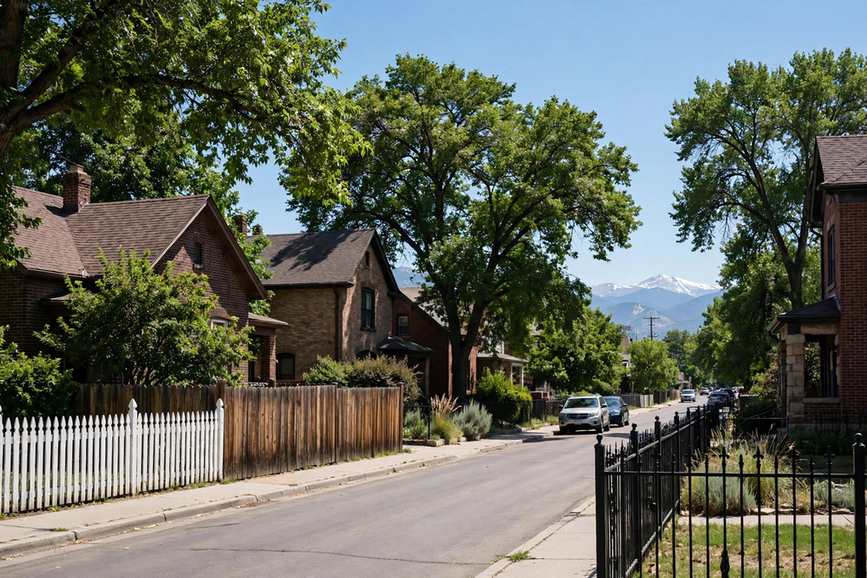
A gate is the most-used part of any fence. Here is what you actually get when we build yours.
Built square, hung plumb
The gate is built square on the bench, checked with a level and a square, and hung on plumb posts. A gate built out of square drags from day one, and we do not build them that way.
Posts set deeper than the line
A gate post carries the whole gate's weight every time it swings, so it goes deeper than a line post in concrete. That is the difference between a gate that swings clean for years and one that drags within a season.
Matched to the fence
The gate is built to match the fence around it — same material, same style, same height — so the fence reads as one fence, not a fence with a gate bolted on.
What a gate costs in the Denver market
Third-party market guides published in October and November 2026 put a walk gate at $328 to $633 and a double drive gate at $1,330 to $3,100 as add-ons to a fence job. Sources: NumeralQ, Oct 2026. Those are market ranges, not Payless Fence Company prices. Call (720) 697-2456 with your fence length and material and we will talk through a quote for your yard.
Google ★★★★★4.9 out of 5
Rated 4.9 out of 5 from 27 Google reviews. Read the reviews on our Google Business Profile, or call (720) 697-2456 to talk about your fence.
Gates in Denver are a posts job: deep concrete footings in bentonite clay, a frame built square, and hardware that carries the weight. We build walk gates, side gates, and double drive gates to the opening — and we repair the ones that can be saved before we sell a new one.
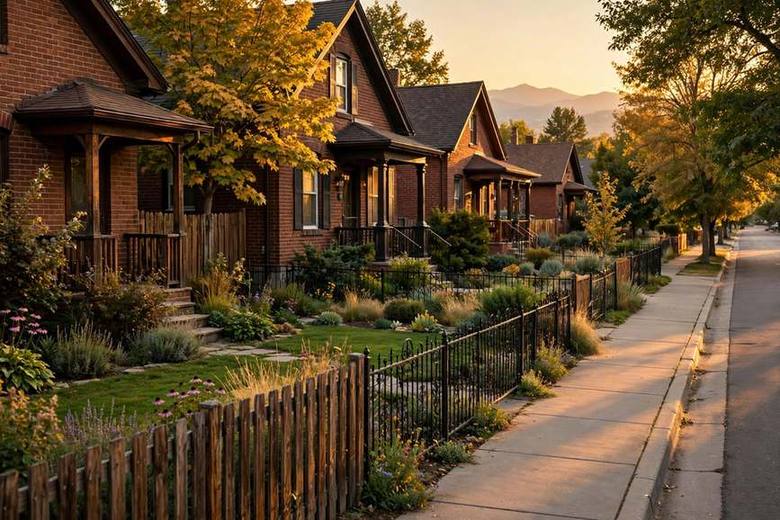
Payless Fence Company is rated 4.9 out of 5 from 27 Google reviews. The aggregate covers our Denver fence work, gates included. Call (720) 697-2456 to talk about your gate.
★★★★★
4.9 out of 5
Based on 27 Google reviews for Payless Fence Company. We do not publish customer quotes on this page; read the reviews on Google, then call us to talk about your fence.
Call (720) 697-2456Real answers to the questions we hear most often about gate installation from local homeowners and property managers.
Automatic swing and slide openers with remotes and safety sensors. Pairs with a new gate on the same lot.
View Automatic Gate Opener InstallationCedar and pressure-treated pine fences built for Denver clay, frost, and hail. Often built on the same lot as a gate.
View Wood Fence InstallationPost, rail, picket, and gate repairs, including storm and freeze-thaw damage. A common companion to a gate installation.
View Fence RepairFull-height 6-foot privacy runs for backyards, alleys, and patios. Pairs with a new gate on the same lot.
View Privacy Fence InstallationPhysical fences and dog runs that keep dogs in and the yard usable. Often built on the same lot as a gate.
View Dog Fence InstallationLow-upkeep vinyl privacy and picket fences that hold up to Front Range sun. A common companion to a gate installation.
View Vinyl Fence InstallationCall (720) 697-2456 to talk about a gate. We answer Monday through Sunday, 7:00 AM to 8:00 PM. Have the opening measured, the fence material, and your neighborhood ready, and we can talk through the next steps on the call.
Phone
(720) 697-2456Address
Payless Fence Company LLC, Denver, CO 80201, US
Hours
Mon–Sun 7:00 AM–8:00 PM