Master Community Association
About $58 a month as of January 2026 on every home, plus sub-association fees. Design review is actively enforced, with fines to the owner.
Every home in Central Park pays a Master Community Association assessment of about $58 a month as of January 2026, plus layered sub-association fees, and the covenants and architectural design review are actively enforced — yard, trash-can, parking, and exterior-change rules, with fines to the owner. Fence material, height, color, and style need sub-association approval before the city zoning permit, in that order, and neither approval substitutes for the other. The rules differ by sub-neighborhood and build phase, so “Central Park” is not one fence spec. Alley-loaded garages mean rear fences are really alley fences, with gate access, trash-day logistics, and snow and ice patterns in the alley. Lots are compact and neighbors are close, so 6-foot side-yard privacy runs are short but numerous, and shared lines need good-neighbor finishing on both sides. And the early-2000s homes are now entering their first fence replacement cycle, with original builder-grade fences failing in the clay at the same time.
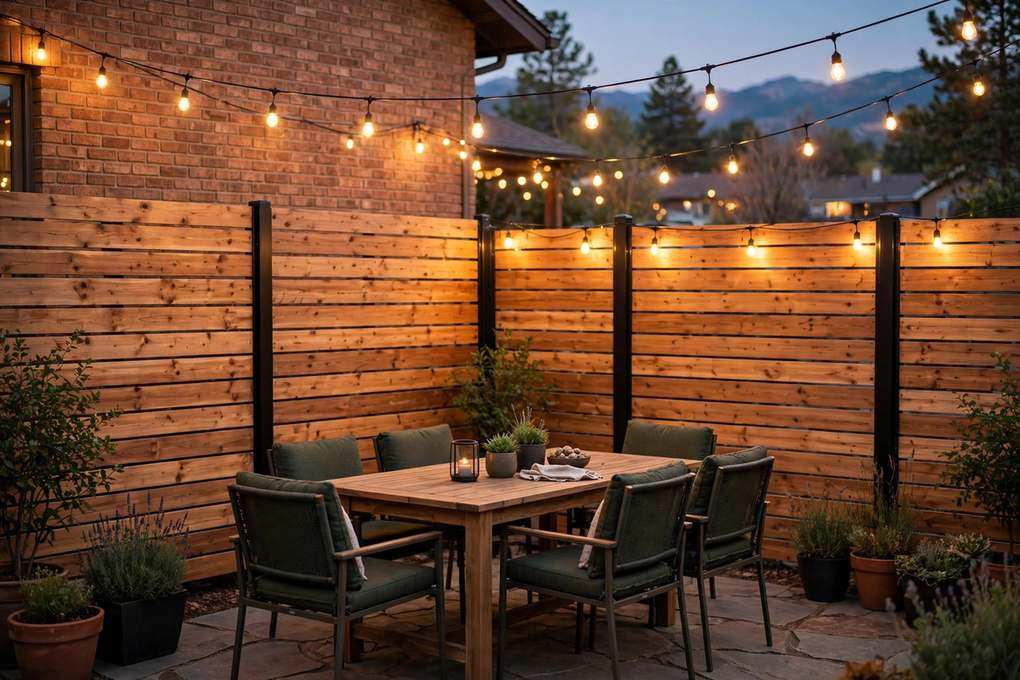
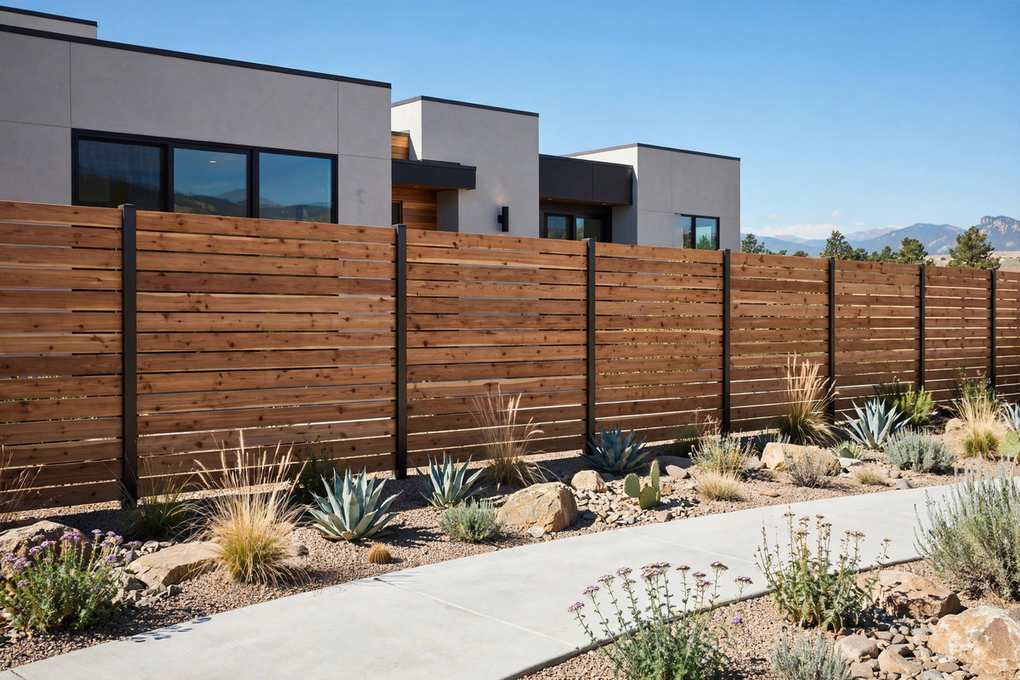
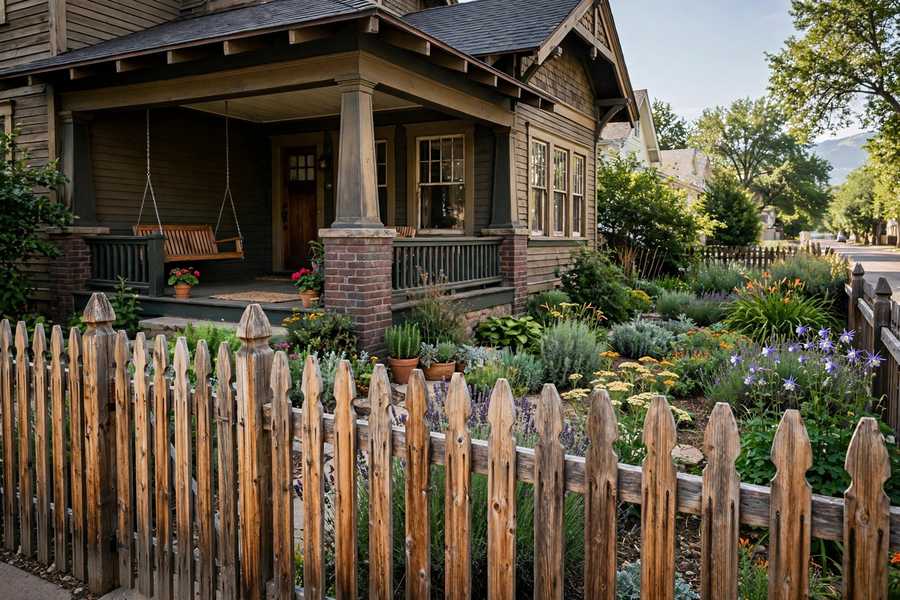
Central Park work is HOA-approved cedar privacy and horizontal-slat wood, vinyl in some phases, low picket and iron in front, and townhome patio enclosures — always to the sub-association's spec, never to a catalog default.
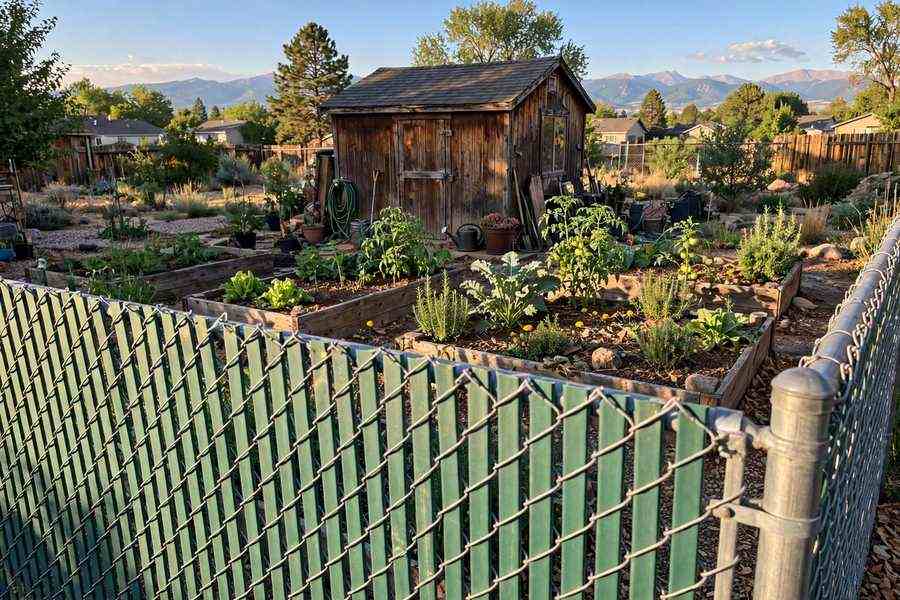
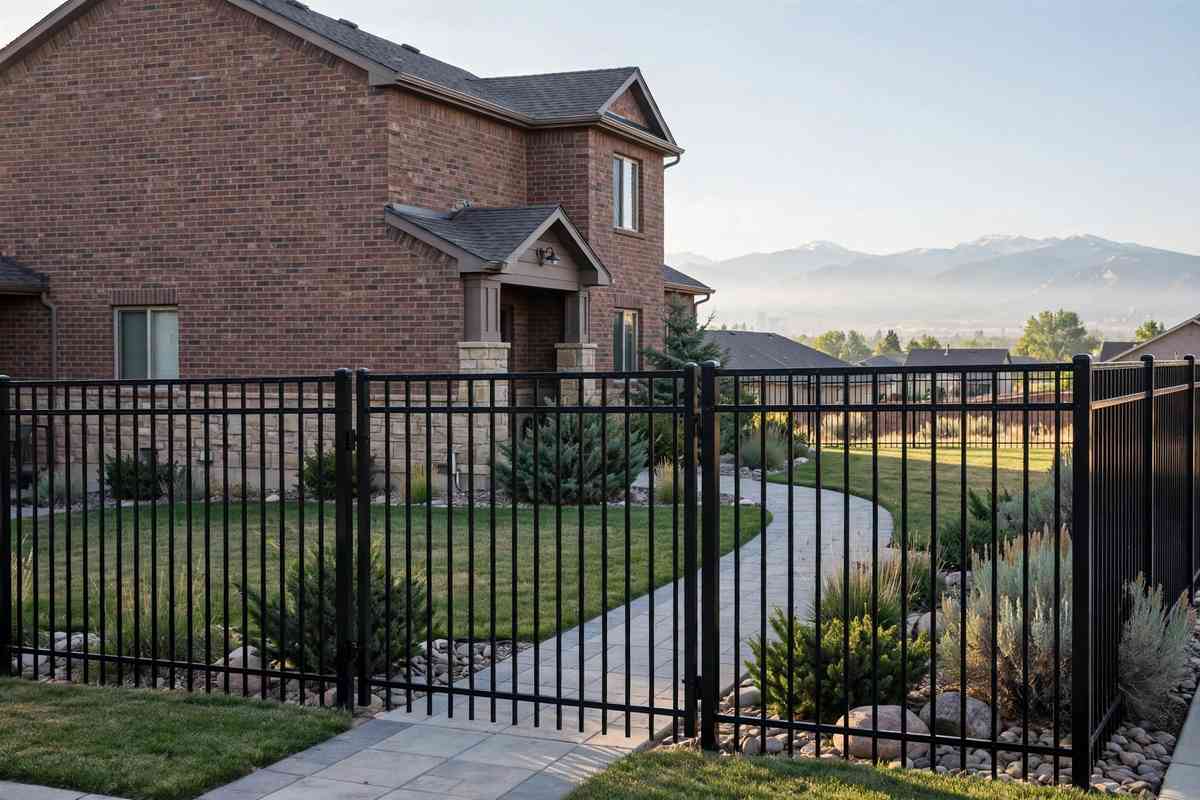
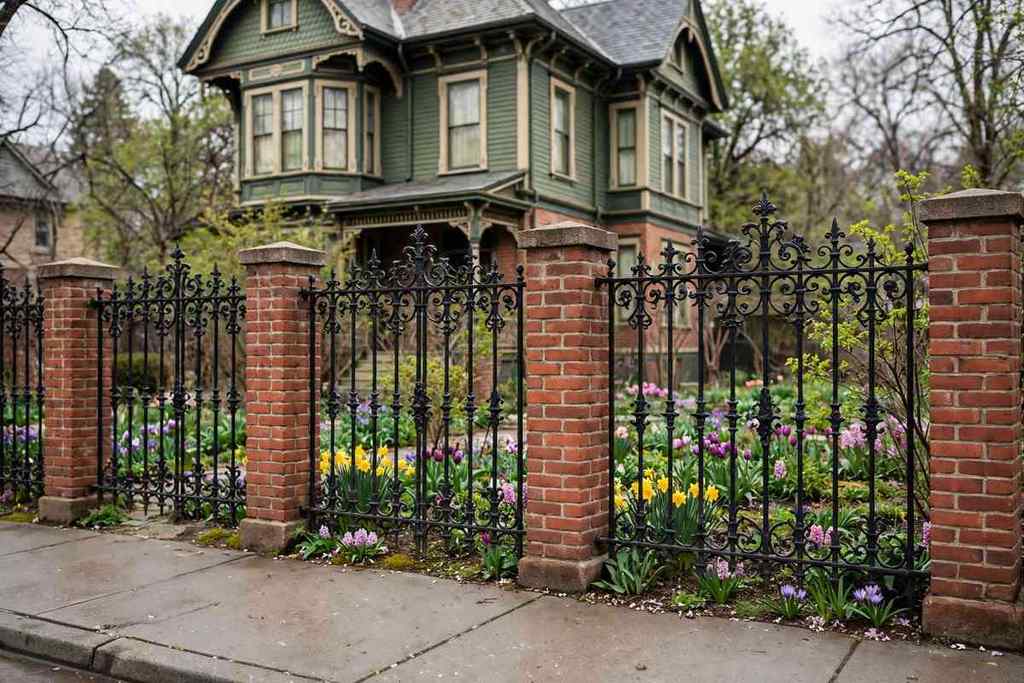
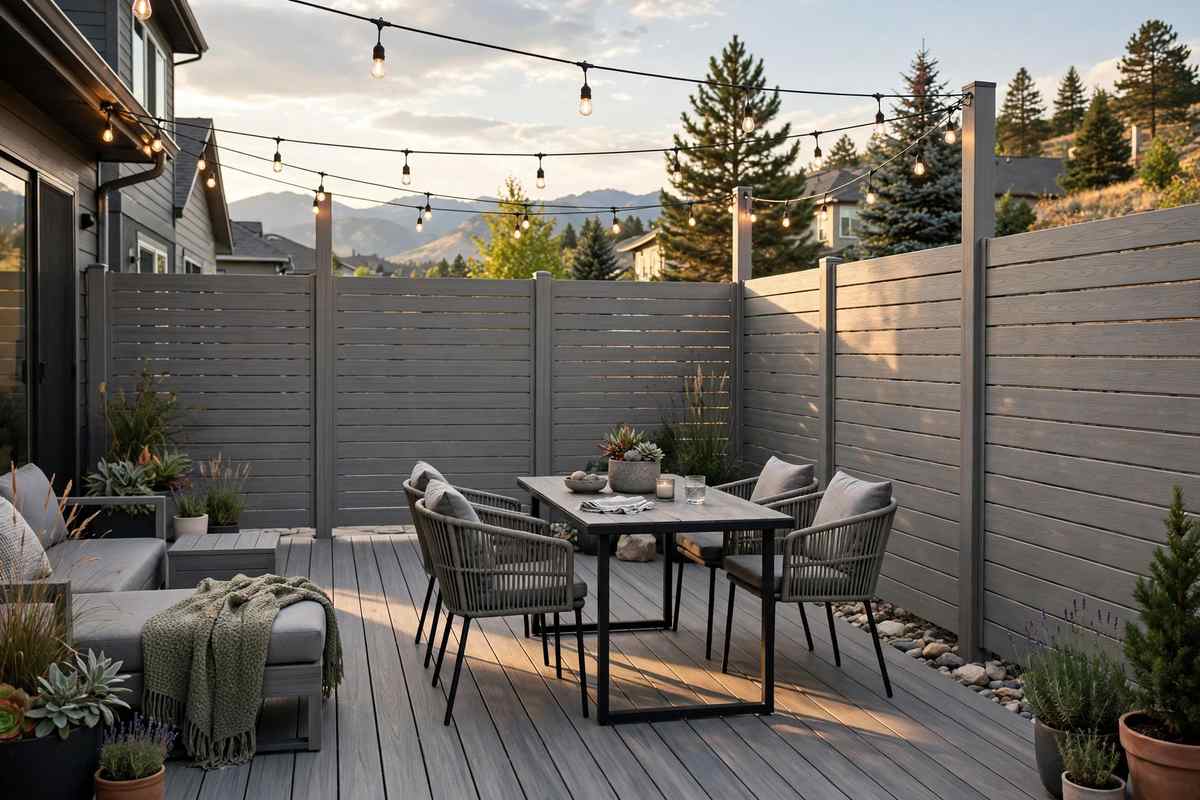
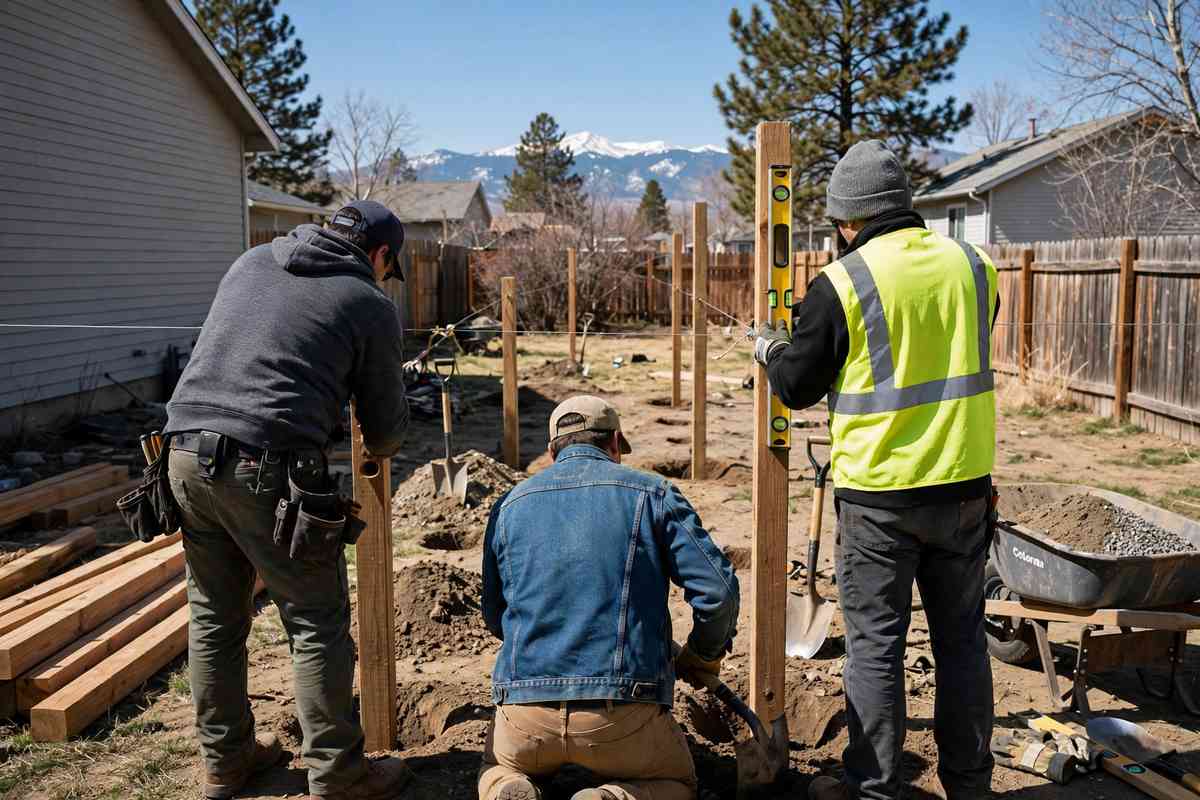
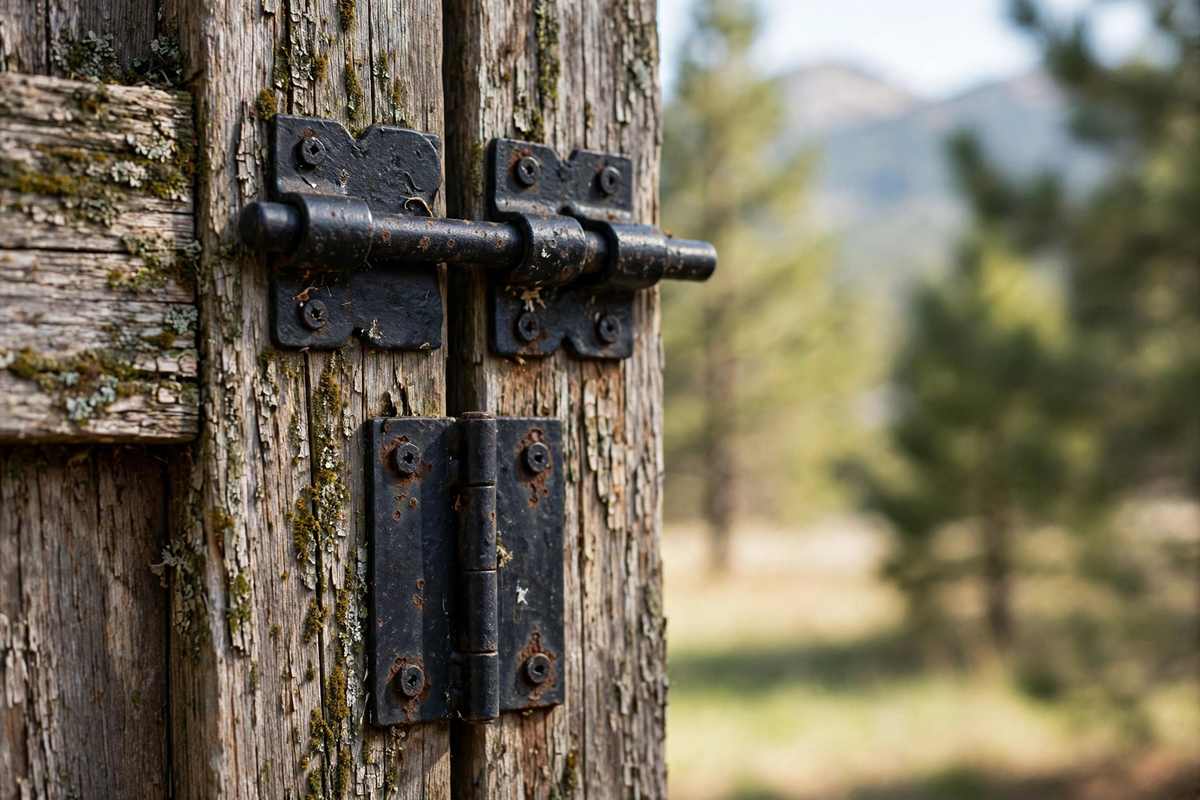
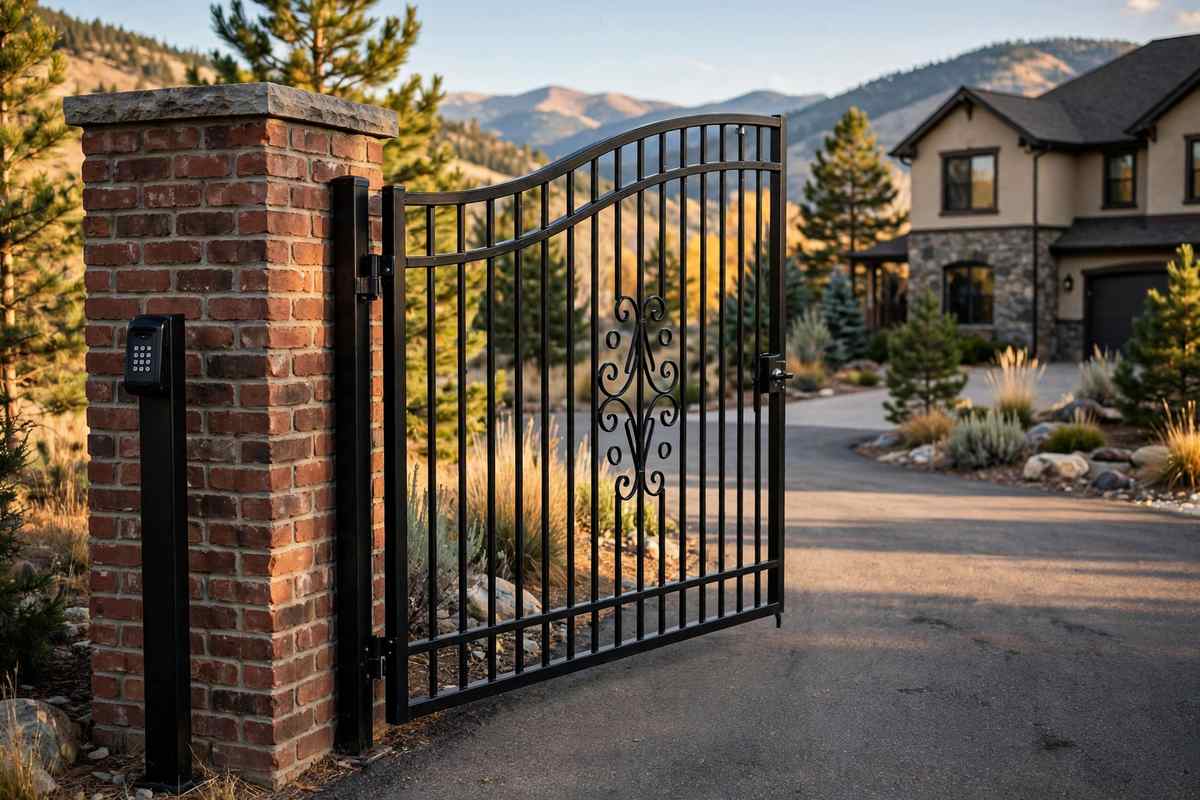
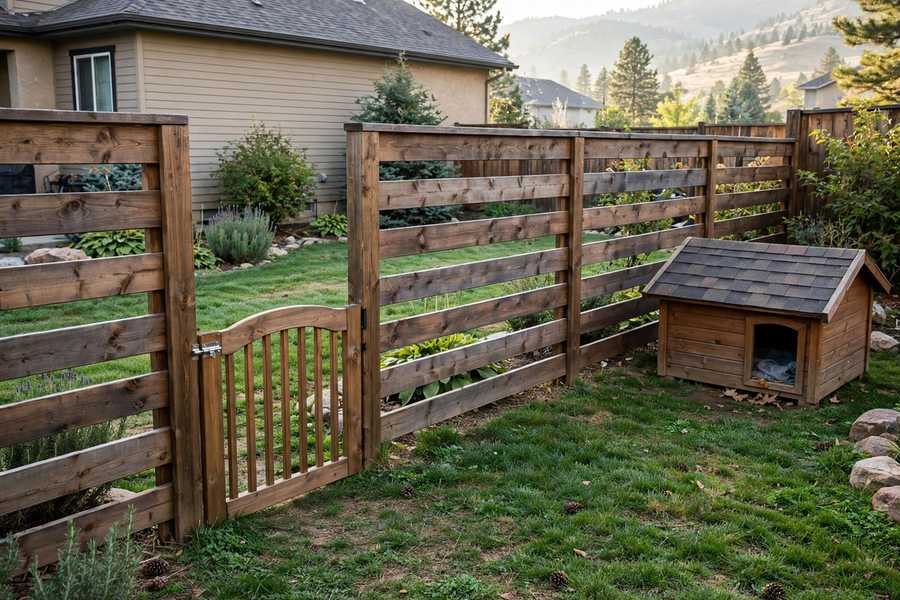
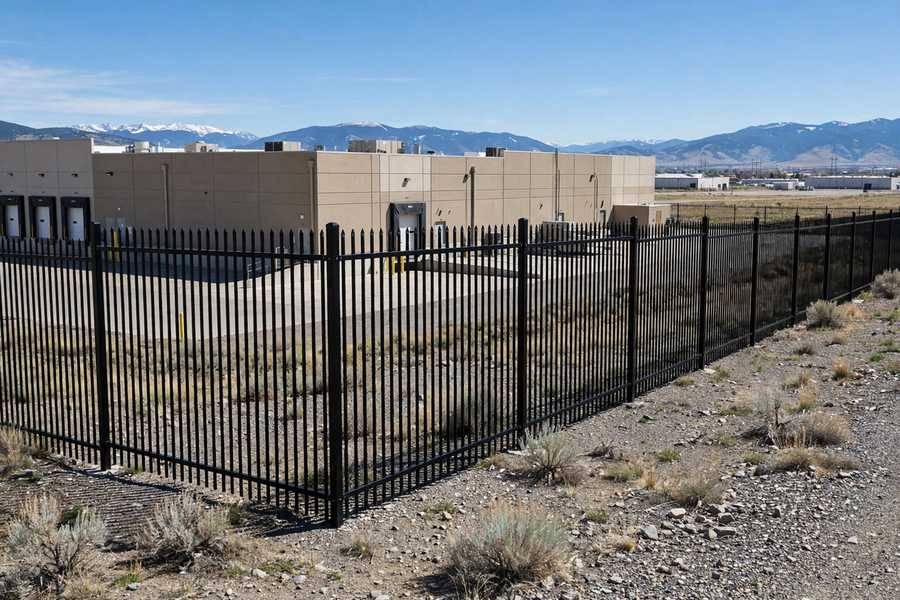
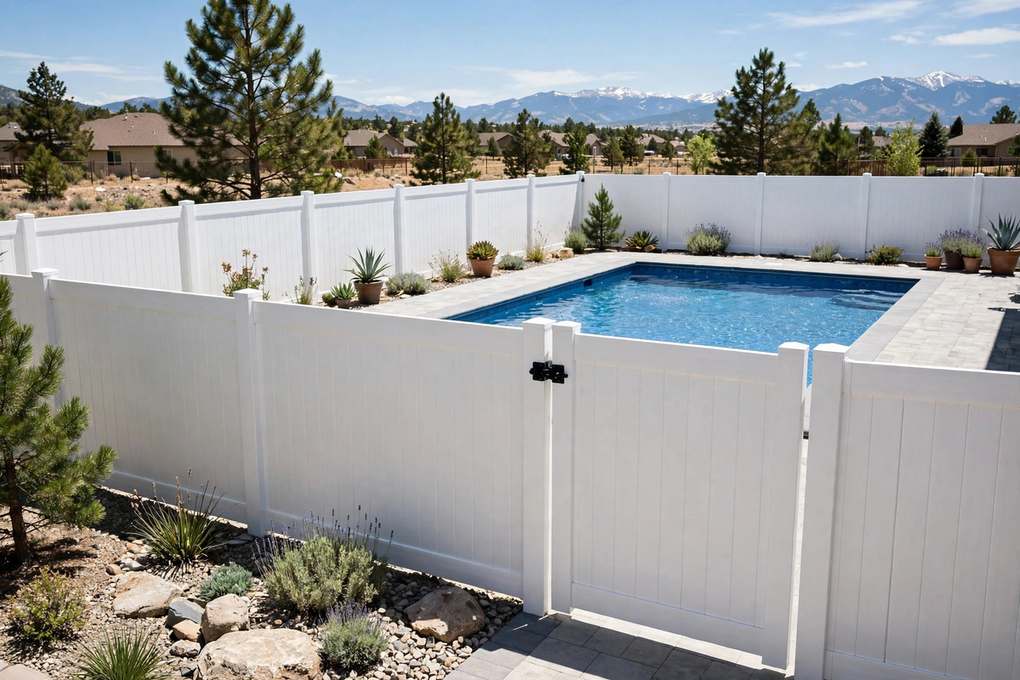
Central Park has its own set of fence problems, from the local housing stock, the ground, and the streets around it. Here are the four we see most often.
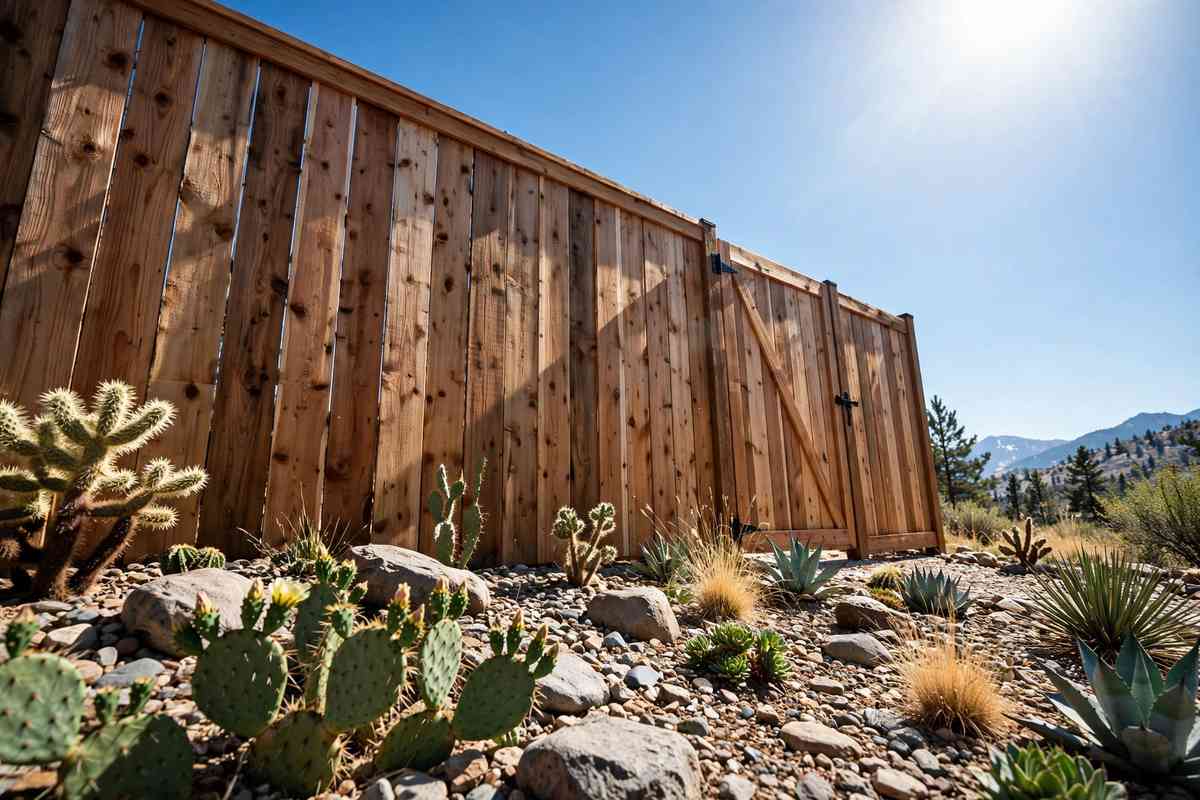
Early-2000s homes now need their first fence replacements. Original builder-grade fences are failing in the clay at the same time.
Fence rules and builder standards differ by sub-neighborhood and build phase. A fence that passed in one phase can be rejected in the next.
Rear fences are alley fences. Gate access, trash-day logistics, and snow and ice in the alley all shape the job.
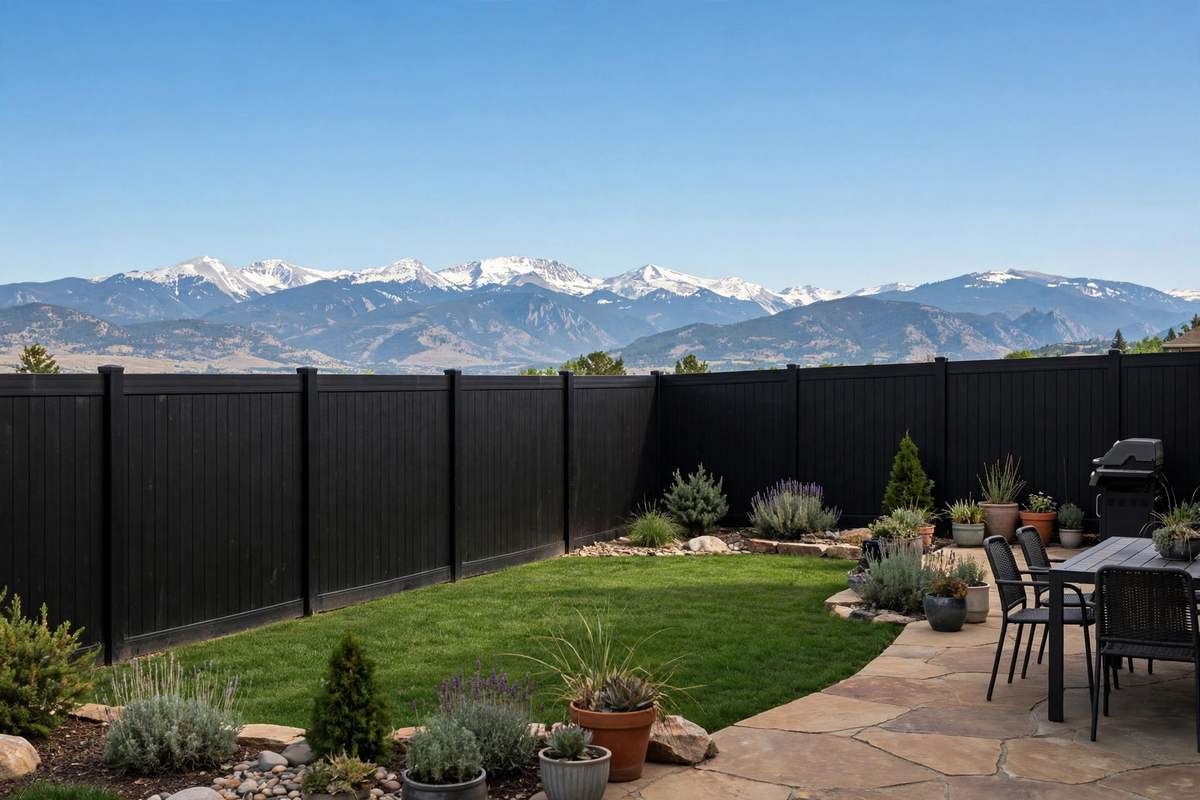
More than 50 pocket parks mean many homes back onto public green, and HOA rules govern what faces the park.
Central Park fences are mostly 2000s builder-grade cedar and vinyl. These are the signs yours needs work.
Builder-grade fence is leaning or wavy
Original 2000s fences were built to a price, not to the clay. Shallow posts heave in freeze–thaw winters until the run leans.
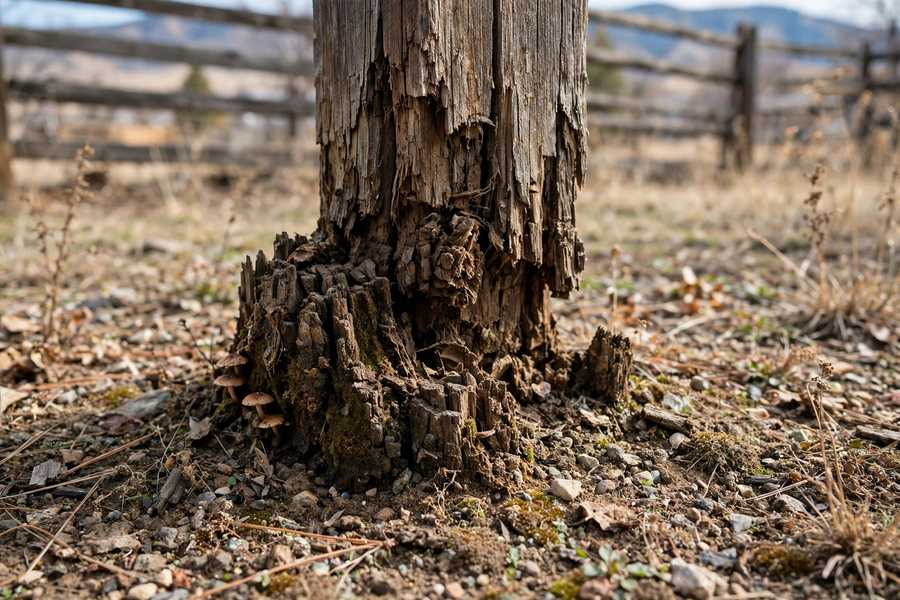
Cedar is gray and soft at the ground line
High-altitude UV strips the finish, then moisture rots the pickets where they meet the soil.
Alley gate drags or will not latch
Alley gates get daily use plus trash-day traffic. A dragging gate is usually a moved hinge post.
Vinyl panel is cracked after hail
Hail is the most common vinyl killer in Denver. A cracked panel lets water in and the damage spreads.
HOA notice about your fence
The Master Community Association and sub-associations enforce design rules actively. Bring the approval paperwork before the work, not after.
Four things about Central Park that decide what fence goes where — and what rules apply to it.
About $58 a month as of January 2026 on every home, plus sub-association fees. Design review is actively enforced, with fines to the owner.
Fence rules and builder standards differ by sub-neighborhood and build phase. Check your sub-association's spec, not a neighbor's fence.
Rear fences are alley fences, with gate access, trash-day logistics, and snow and ice patterns in the alley.
Many homes back onto public green across 1,100 acres of open space, and HOA rules govern what faces the park.
We work across Central Park's twelve sub-neighborhoods and the former airport lands, and across the Denver neighborhoods listed below. Every job starts with a call, not a form — tell us your sub-neighborhood and we will confirm the spec.
Adjacent cities such as Aurora and Lakewood are not served. Call (720) 697-2456 to confirm we cover your Denver address.
Payless Fence Company is rated 4.9 out of 5 from 27 Google reviews. That rating covers fence work across Denver, including Central Park jobs where the first step is usually the sub-association's design review — material, height, color, and style approved before the city zoning permit — and where alley-loaded garages make the rear fence an alley fence, with gate access and trash-day logistics to plan around. Call (720) 697-2456 and we will talk through your Central Park fence job, starting with which of the twelve sub-neighborhoods your address falls in.
Central Park's fence calendar follows the ground, not the calendar on the wall — and the HOA calendar, since design review comes before any build. Spring is busiest, summer is prime building weather, fall is the practical repair window, and winter work depends on the ground and the forecast. The hail season runs from mid-April to mid-September, peaking in May and June.
Spring is the busiest season in Central Park: the ground thaws and post-winter damage shows up all at once — leaned posts, heaved footings, panels blown loose over winter. In Central Park, spring is also the season to file HOA design review, since approval comes before the city permit.
Walk your fence line in March — and file the HOA paperwork early, before the summer build rush.
Summer is the prime building window: long days, dry ground, fast-setting concrete — and peak demand and peak hail. Vinyl is the most hail-vulnerable material; wood and metal fare better in a hailstorm, which matters on a townhome patio enclosure.
After a hailstorm, check townhome patio panels for cracks before the damage spreads.
Fall is the window to use, while the ground is still workable and before the first freeze. Posts go back in concrete, and townhome patio gates get adjusted before ice makes a dragging gate worse.
Walk the townhome patio line in September and fix the small stuff before the first freeze.
Winter building goes ahead with frost augers and concrete additives, but we reschedule below about 25°F, in heavy snow, or on saturated ground. Shallow posts lift a little more with every freeze–thaw cycle.
Snow load shows the weak posts fast — check the patio line after the first big storm.
Central Park sits among Denver neighborhoods with their own housing stock and fence rules. These are the closest pages in our Denver set.
(Denver neighborhood)
North, South, and Northeast Park Hill in one hub — bungalows, Tudors, and deep 40-foot setbacks.
View Park Hill(Denver neighborhood)
Double-width lots and a 1975 landmark district core, where period iron and masonry set the standard.
View Montclair(Denver neighborhood)
Smelter-town worker cottages where many homes back onto freeway embankments and need solid screening.
View GlobevilleReal answers for the questions we hear most often before a job starts in Central Park.
If you need a fence installed, repaired, or replaced in Central Park, call Payless Fence Company at (720) 697-2456. We are open Monday to Sunday, 7:00 AM to 8:00 PM, and we will talk through your sub-association's spec, your lot, and the rules that apply to your address.
Call (720) 697-2456 to talk about your fence in Central Park. We are a phone-only business, open Monday to Sunday, 7:00 AM to 8:00 PM. Have your sub-association's spec ready — HOA design review comes first, and we build to it.
Phone
(720) 697-2456Address
Payless Fence Company LLC, Denver, CO 80201, US
Hours
Monday–Sunday: 7:00 AM – 8:00 PM