The park ring
Every fence decision is judged against the 165-acre park. Park-facing fronts stay low and open to keep the streetscape; the tall fence belongs only at the rear.
The park is on the National Register, listed in 1986, but the neighborhood itself is not a designated Denver landmark district as a whole — that is checked per address. Progress and Preservation Together, founded in 1999, is a preservation advocacy group, not an HOA and not a design-review body. The fence story here is the pop-top and scrape pressure the group formed to fight: new two-story rebuilds beside 1920s bungalows create overlooking and privacy disputes that drive tall rear fences. The brick-masonry streetscape — brick houses, brick piers, iron — is the front-fence reference, not vinyl. And the ground here is a Wash Park-specific selling point: 100-year-old street trees with root zones to route around, plus the bentonite clay and heave that local installers specifically flag for this neighborhood, with posts set 42 inches deep in heavy clay zones.
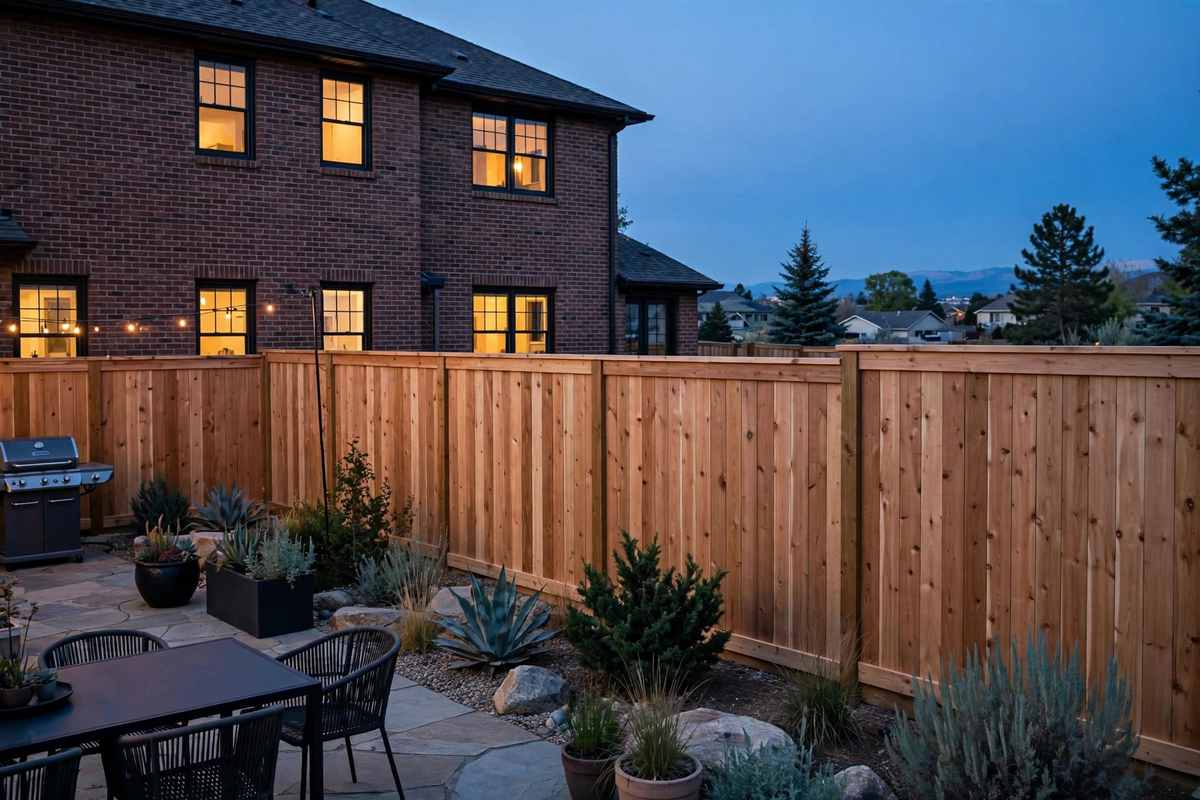
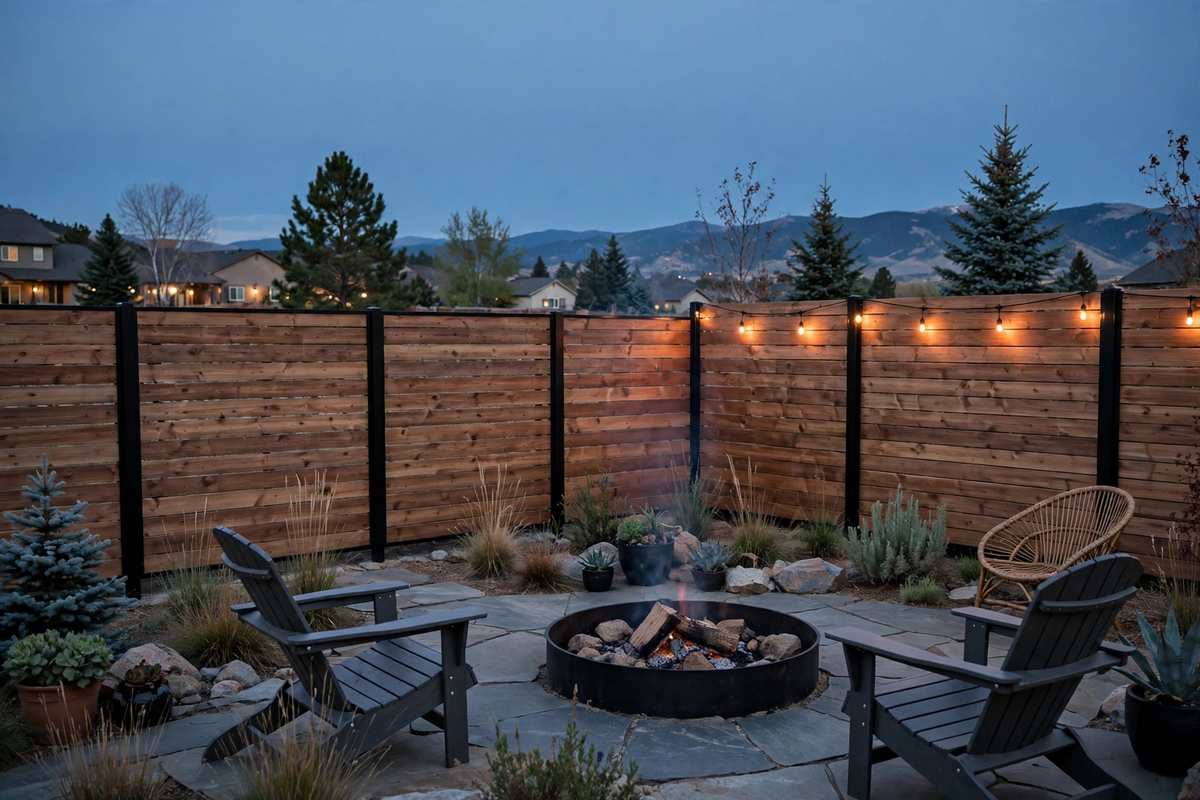
Washington Park work is park-ring fencing: low picket and ornamental iron fronts, low brick walls, cedar privacy at the rear, and rear screening for homes near Old South Gaylord Street's restaurant and bar activity.
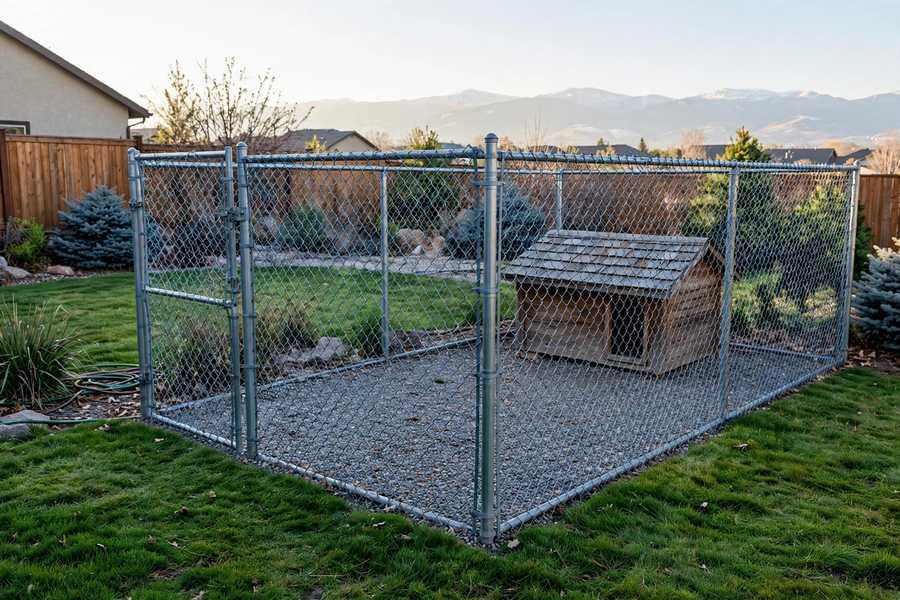
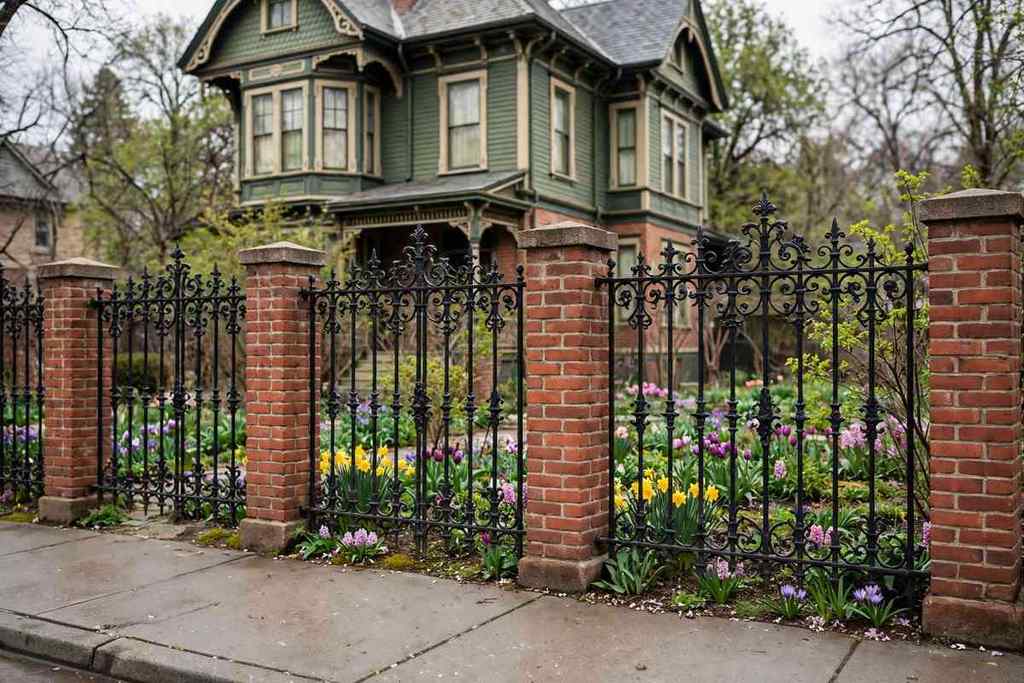
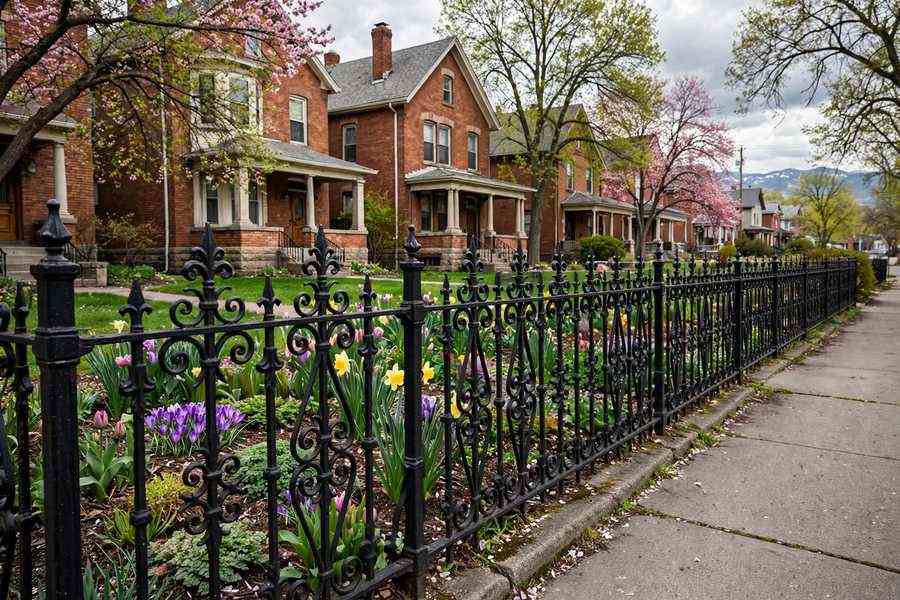
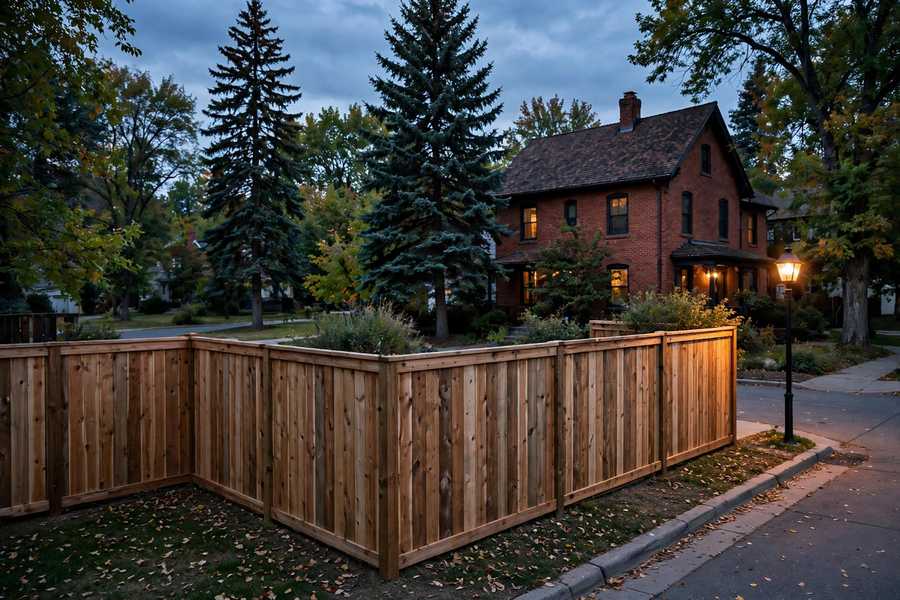
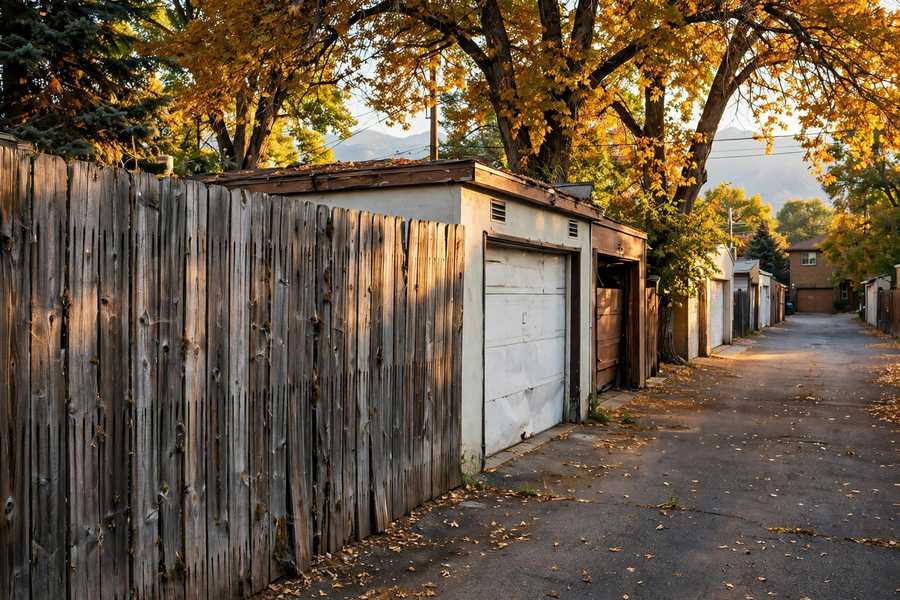
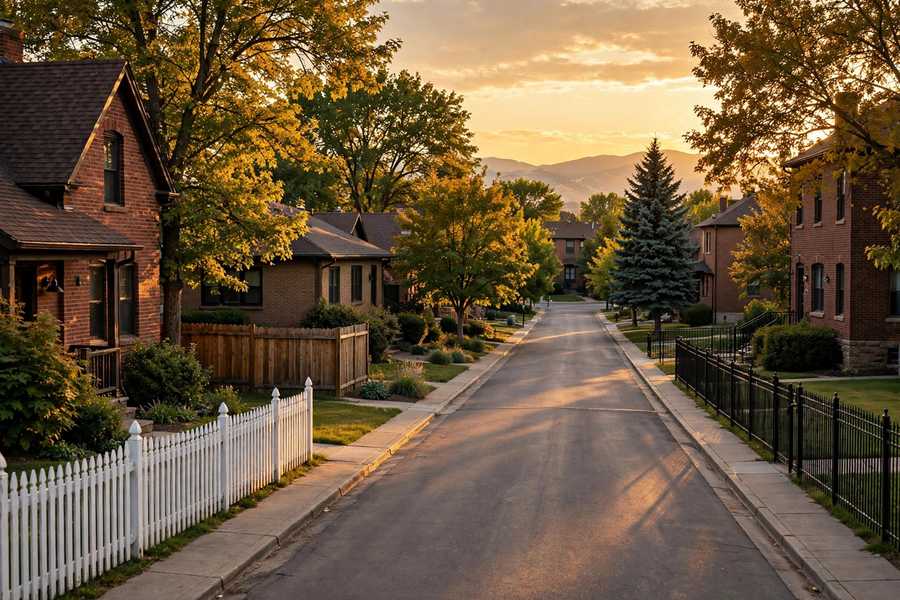
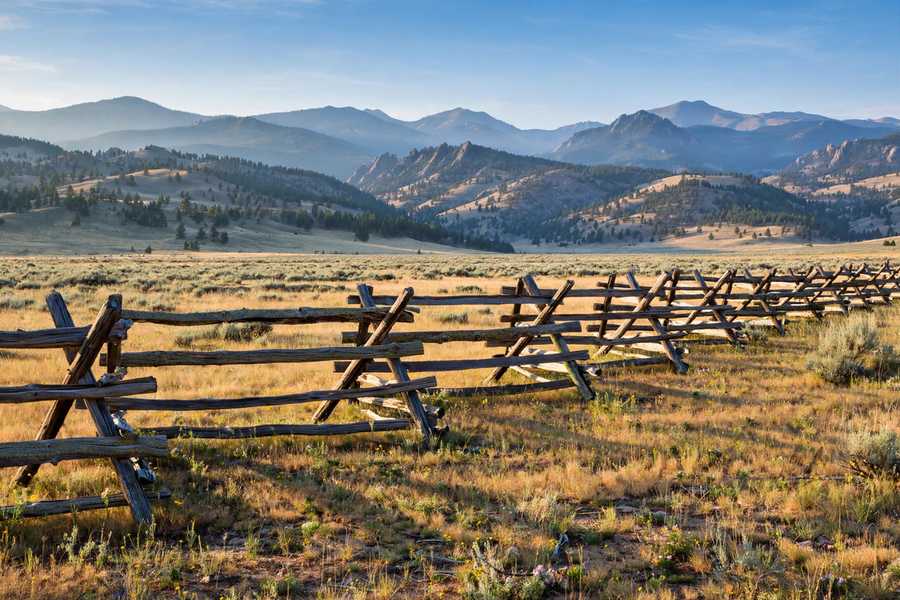
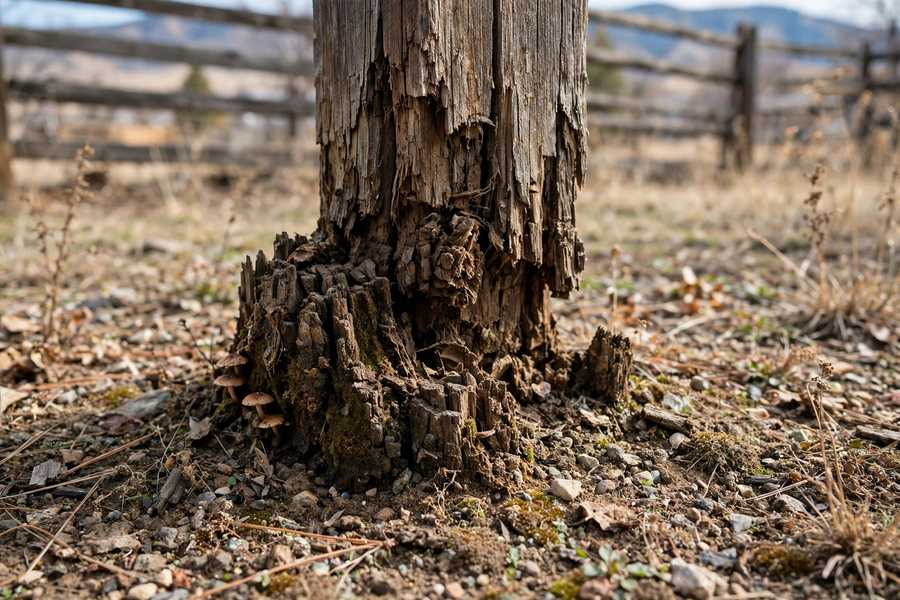
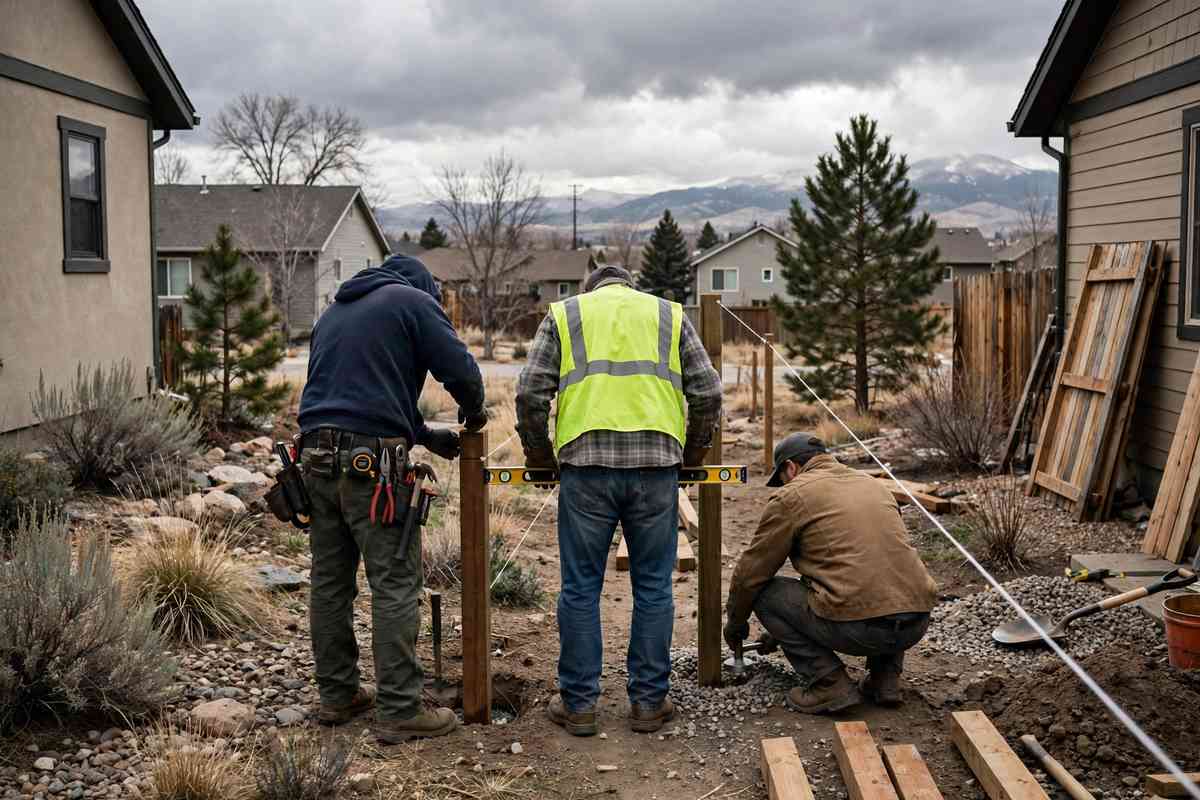
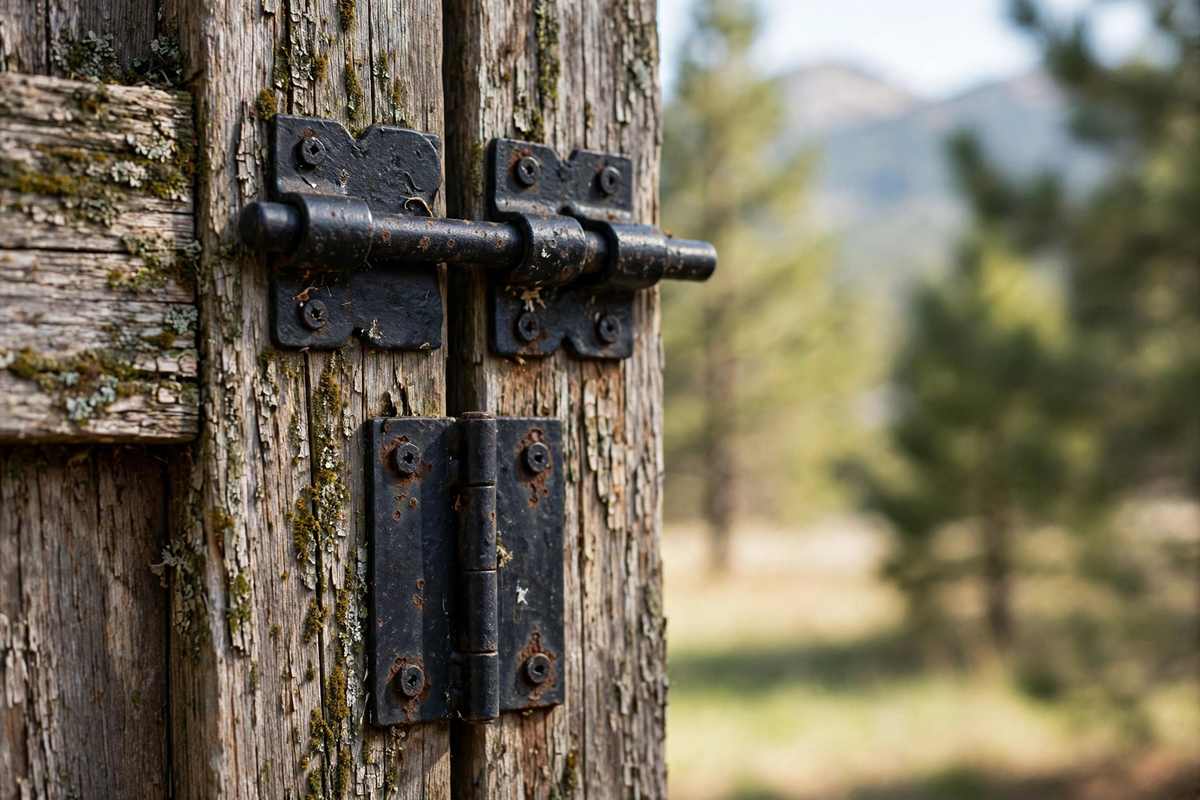
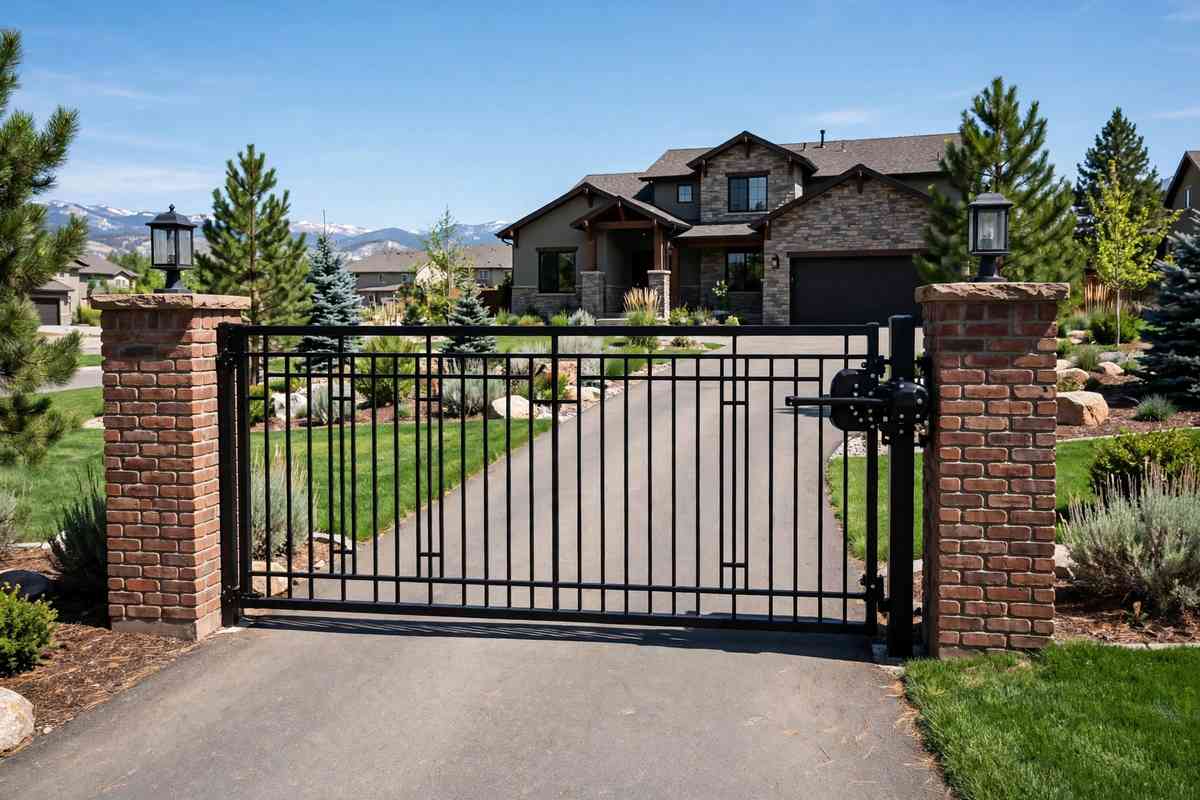
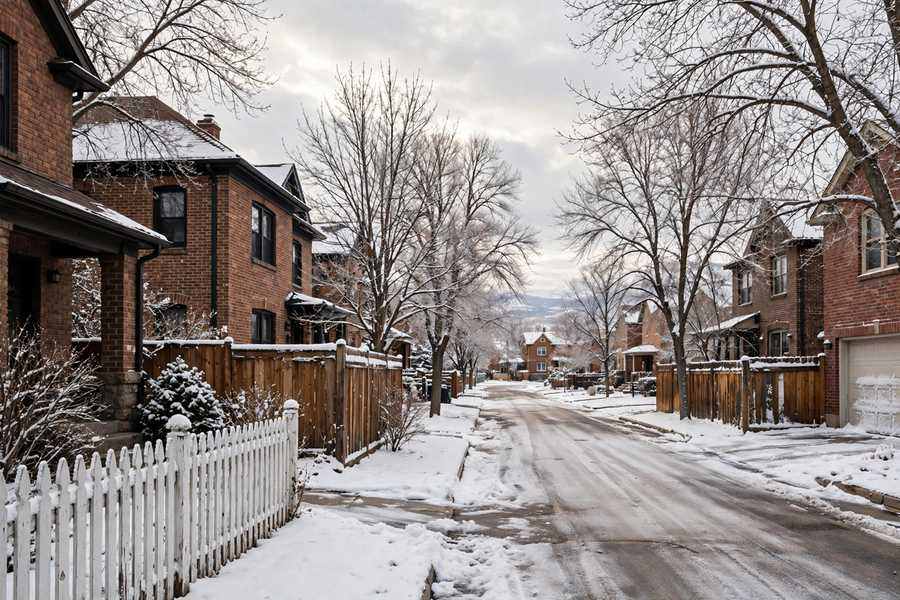
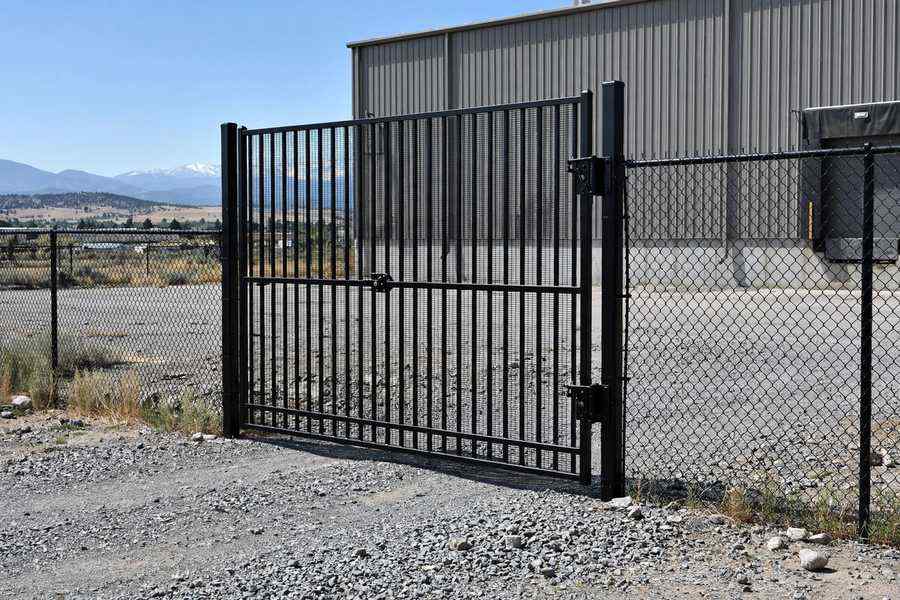
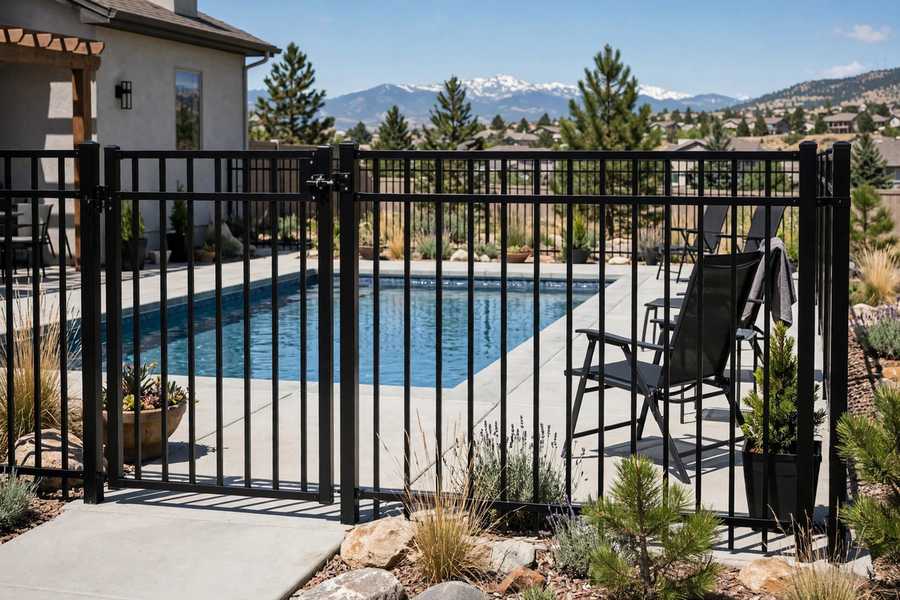
Washington Park has its own set of fence problems, from the local housing stock, the ground, and the streets around it. Here are the four we see most often.
New two-story rebuilds beside 1920s bungalows create overlooking and privacy disputes. The bungalow side needs a tall rear fence the day the new house goes up.
Bentonite clay and freeze–thaw cycles are the documented Wash Park fence problem. Shallow posts heave a little each winter until the fence leans.
100-year-old street trees overhang lot lines. Post placement has to avoid root damage and the city tree lawn.
Double lots of 6,000 to 8,000 square feet and more mean longer frontages and bigger backyards than the Denver norm — and longer fence runs.
Washington Park fences are mostly brick-era picket, iron, and cedar. These are the signs yours needs work.
Your bungalow yard is newly overlooked
A taller rebuild next door is the most common privacy-fence trigger in Wash Park right now.
Posts are leaning after winter
Clay heave is the documented local cause. A post that leans now will lean further by June.
Cedar is gray and soft at the ground line
High-altitude UV strips the finish, then moisture rots the pickets where they meet the clay.
Brick pier is cracking
Clay heave works on masonry as well as wood. A leaning pier will take the iron panels with it.
Iron gate drags or will not latch
Heavy iron gates move their posts in clay. The gate is usually fine — the post is the problem.
Four things about Washington Park that decide what fence goes where — and what rules apply to it.
Every fence decision is judged against the 165-acre park. Park-facing fronts stay low and open to keep the streetscape; the tall fence belongs only at the rear.
The neighborhood's main street. Homes near it need rear privacy from restaurant and bar activity.
Lots of 6,000 to 8,000 square feet and more are common, with longer frontages and bigger backyards than the Denver norm.
100-year-old street trees with root zones to route around, plus the bentonite clay and heave that local installers specifically flag for Wash Park.
We work across Washington Park's brick streets, the park ring, and the Old South Gaylord edge, and across the Denver neighborhoods listed below. Every job starts with a call, not a form — tell us your Washington Park address and which side faces the park.
Adjacent cities such as Aurora and Lakewood are not served. Call (720) 697-2456 to confirm we cover your Denver address.
Payless Fence Company is rated 4.9 out of 5 from 27 Google reviews. That rating covers fence work across Denver, including Washington Park jobs where the brief is usually privacy from a new two-story rebuild beside a 1920s bungalow — a tall fence at the rear, while the park-facing front stays low and open to the 165-acre park ring, in brick and iron to match the masonry streetscape. Call (720) 697-2456 and we will talk through your Washington Park fence job, starting with whether your address falls inside a landmark review area.
Washington Park's fence calendar follows the ground, not the calendar on the wall — and the park, since the 165-acre park sets the standard for every fence decision. Spring is the rush, summer the best building weather, fall the repair window, and winter work depends on the ground and the forecast. Denver's hail season runs roughly mid-April to mid-September, peaking in May and June.
Spring is when Washington Park's fences show the winter: leaned posts, heaved footings, park-facing iron that has shifted. Once the ground thaws, the damage shows up all at once — spring is when you find and fix it.
Walk your fence line in March. A post that leans now will lean further by June — and on a park-facing front, it shows.
Summer is prime building weather around the park: long days and dry ground, so concrete sets fast — but it is also peak demand and peak hail season. Iron and steel take hail better than vinyl, which matters on a park-facing front where the fence is judged against the park.
After a hailstorm, check park-facing iron for bends and cedar rails for splits before the damage spreads.
Fall is the repair season around the park: the ground is still workable, the summer rush has eased, and posts can be reset in concrete before the first freeze. Park-facing gate hardware gets adjusted now, before ice makes a dragging gate worse.
Check the park-facing gates in September — a small repair now beats a January emergency.
Winter work continues with frost augers and concrete additives, except below about 25°F, in heavy snow, or on saturated ground. Freeze–thaw pushes a shallow post up a little more each winter.
After the first big snow, walk the park-ring line and look for posts that have started to lean.
Washington Park sits among Denver neighborhoods with their own housing stock and fence rules. These are the closest pages in our Denver set.
(Denver neighborhood)
High-end cedar, iron, and masonry on small luxury lots around Cherry Creek North.
View Cherry Creek(Denver neighborhood)
Denver Square capital, where the fence brief is almost always to match a 1906–1919 Denver Square.
View Congress Park(Denver neighborhood)
1950s brick ranches on generous lots around the High Line Canal, a scrape-and-build hotspot.
View University HillsReal answers for the questions we hear most often before a job starts in Washington Park.
If you need a fence installed, repaired, or replaced in Washington Park, call Payless Fence Company at (720) 697-2456. We are open Monday to Sunday, 7:00 AM to 8:00 PM, and we will talk through your brick home, your park-facing front, and the rules that apply to your address.
Call (720) 697-2456 to talk about your fence in Washington Park — a low park-facing front, or cedar privacy at the rear. We are a phone-only business, open Monday to Sunday, 7:00 AM to 8:00 PM. Tell us your address and which side faces the park.
Phone
(720) 697-2456Address
Payless Fence Company LLC, Denver, CO 80201, US
Hours
Monday–Sunday: 7:00 AM – 8:00 PM