
Baker Historic District
About 150 acres and 30 blocks, designated a Denver landmark district in 2000. Fences inside it need a permit at any height and Landmark Preservation review. Check per address — the district covers only part of Baker.
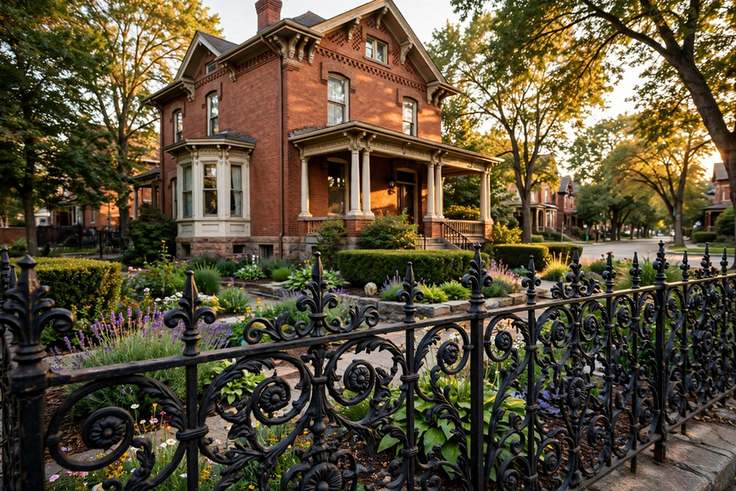
Baker was annexed in 1883 and built out in the streetcar boom of the late 1880s and 1890s. The Baker Historic District — a Denver landmark district from 2000, about 150 acres and 30 blocks with 751 contributing buildings from 1873 to 1937 — covers only part of the neighborhood, so the first question on any Baker job is whether your address falls inside it. Inside the district, Landmark Preservation reviews the fence, front-yard fences stay at or under 4 feet and more than 50 percent open, and chain link reads as an intrusion. Outside the district the same Victorian streetscape still argues for iron and picket in front and cedar privacy at the rear. Alleys here are irregular — some blocks have none, and some houses sit almost to the alley — so rear fence lines are rarely simple rectangles.
Baker jobs split two ways: period iron and picket work on the Victorian streets, and cedar privacy at the rear of narrow lots, duplexes, and small multiplex conversions. The district boundary decides the rules, so we check it first.
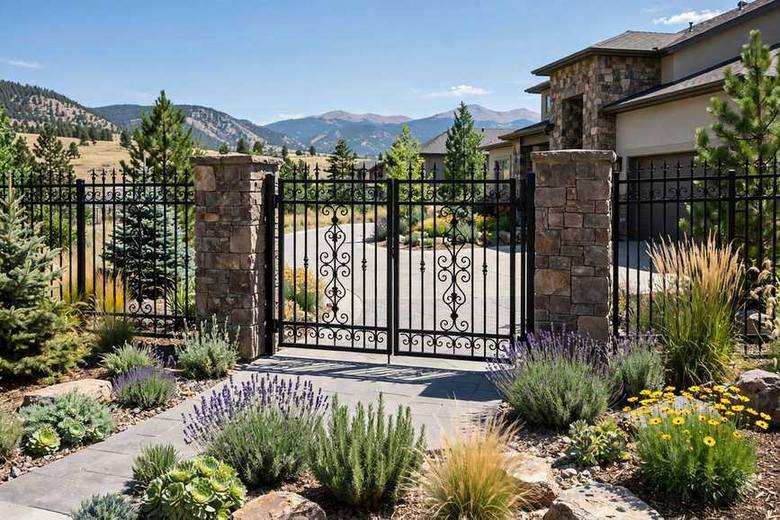
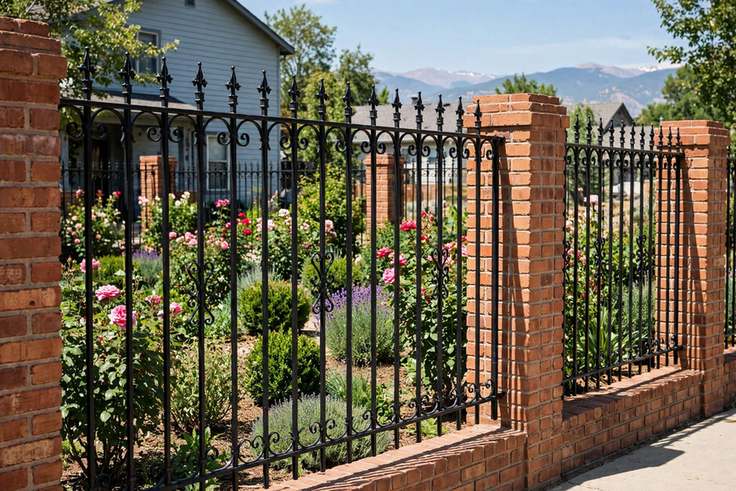
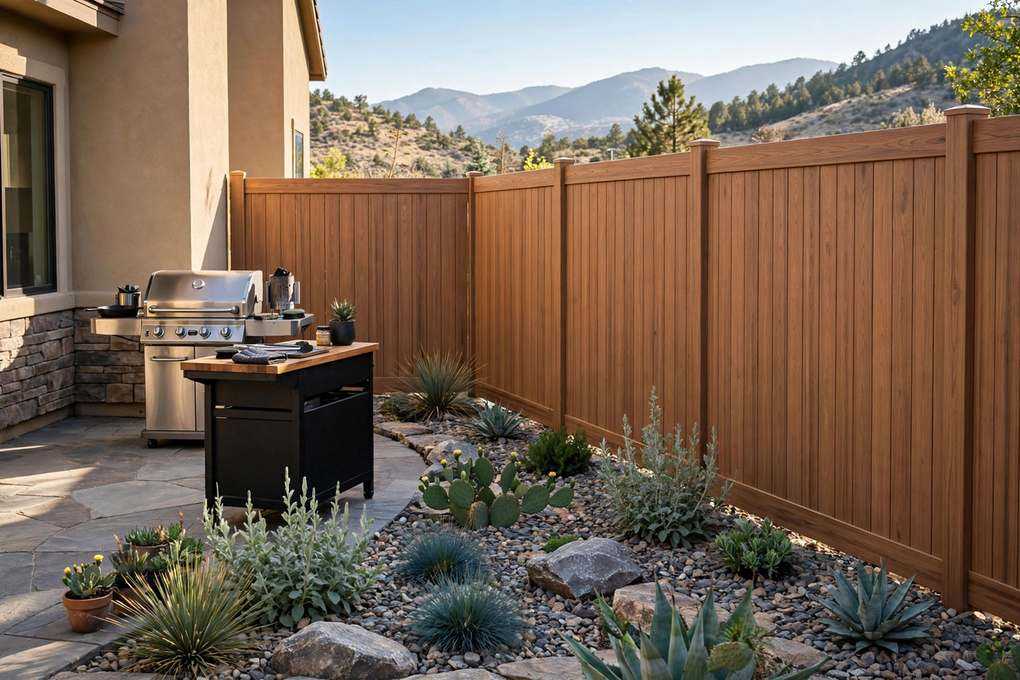
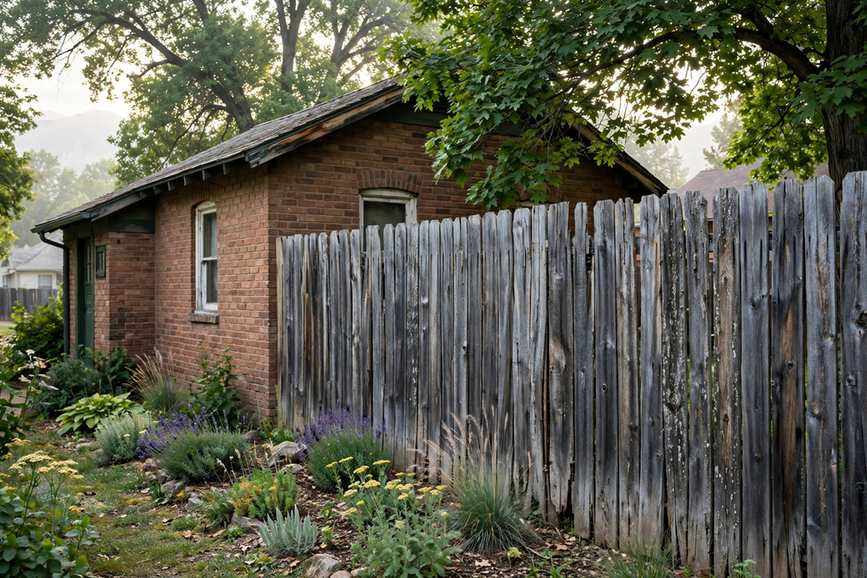
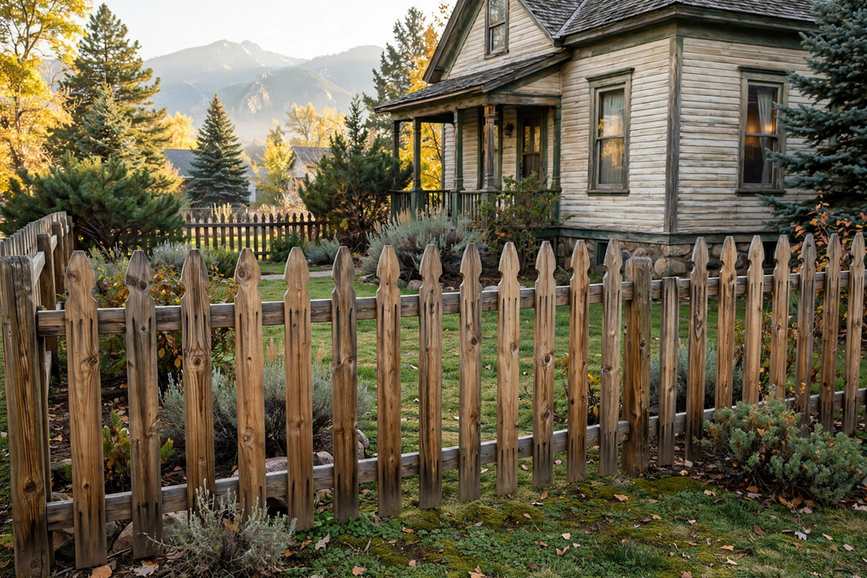
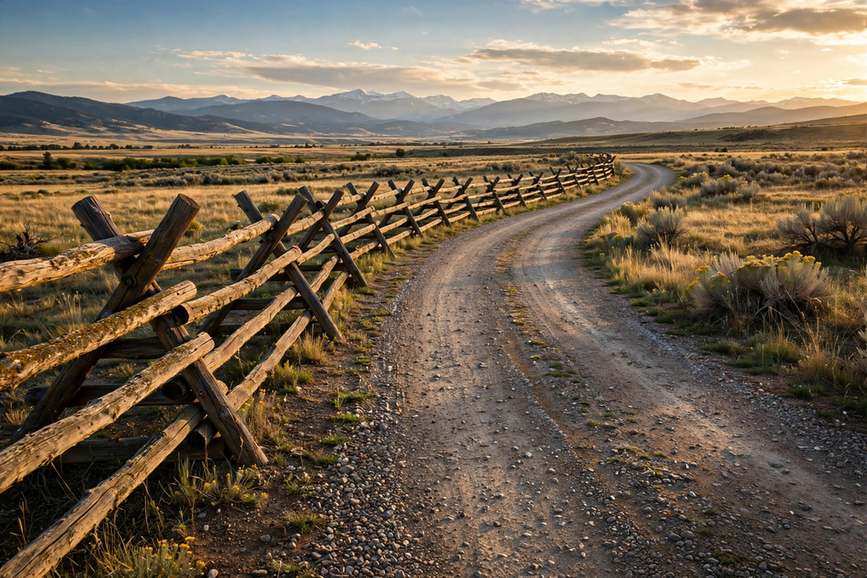
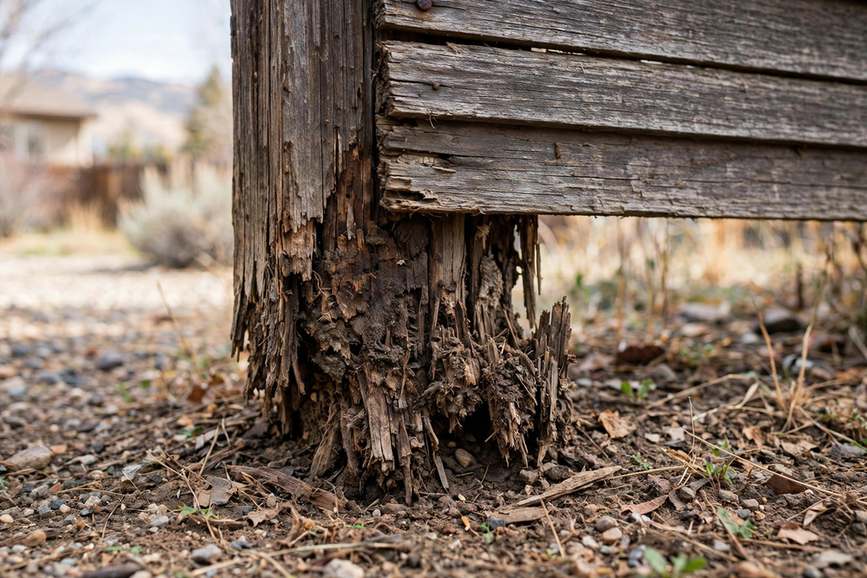
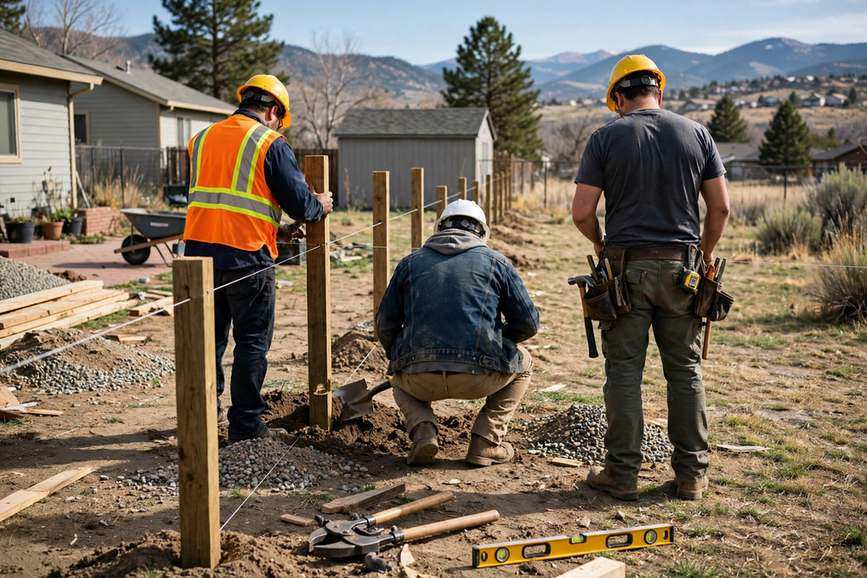
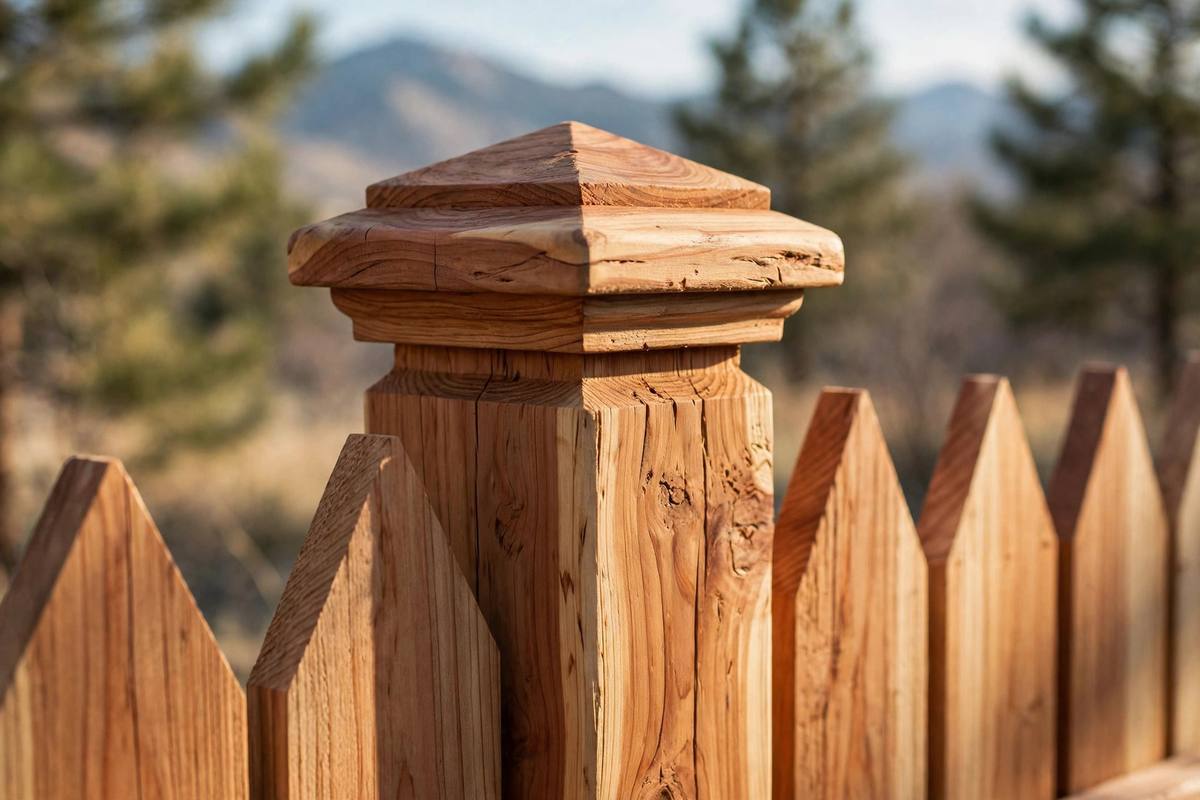
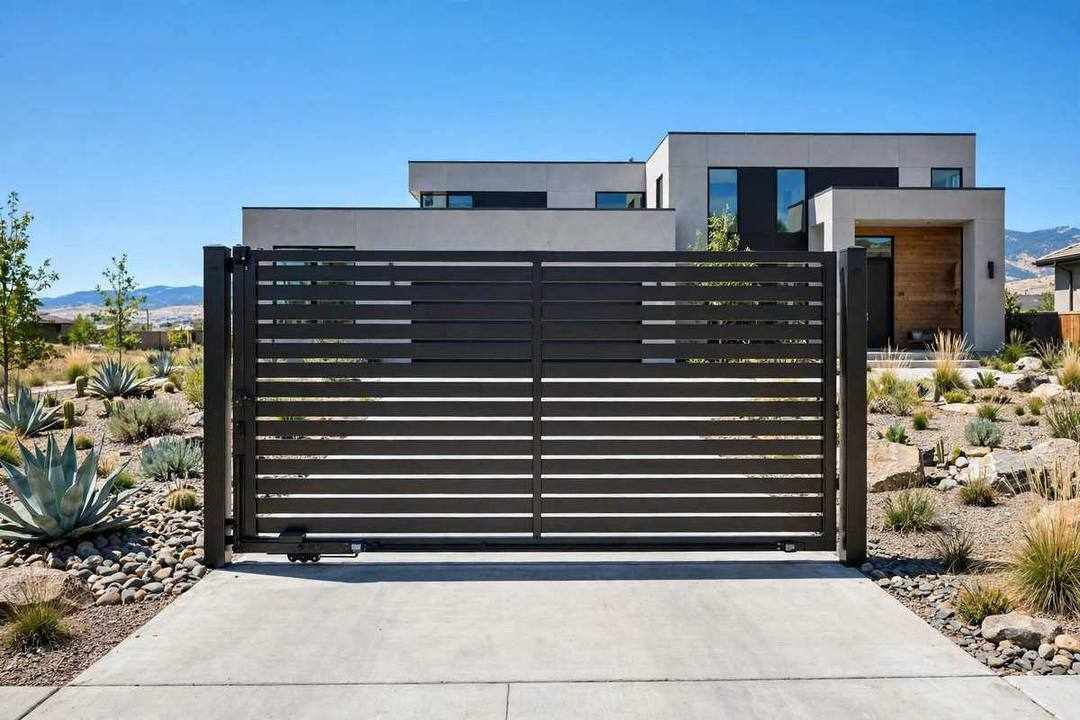
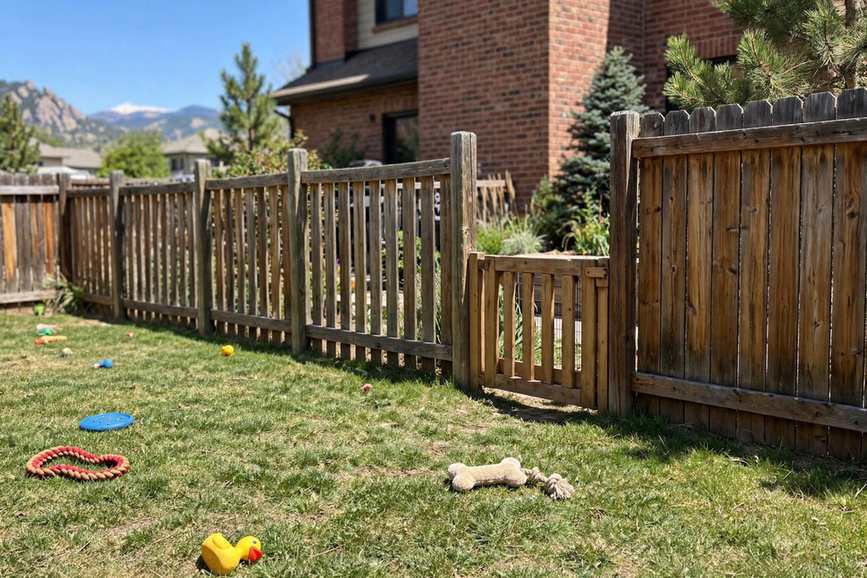
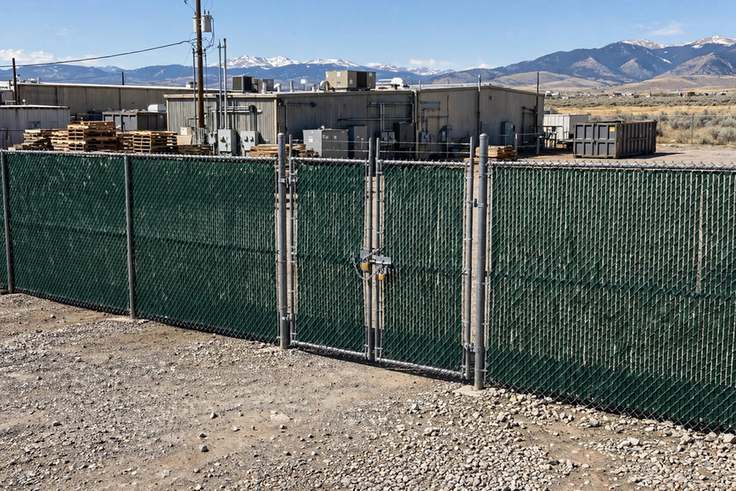
Baker has its own set of fence problems, from the local housing stock, the ground, and the streets around it. Here are the four we see most often.
Original wrought iron on Victorian lots rusts at the base and at welds. A good iron fence is usually worth repairing and repainting in place rather than swapping for a catalog panel that breaks the streetscape.
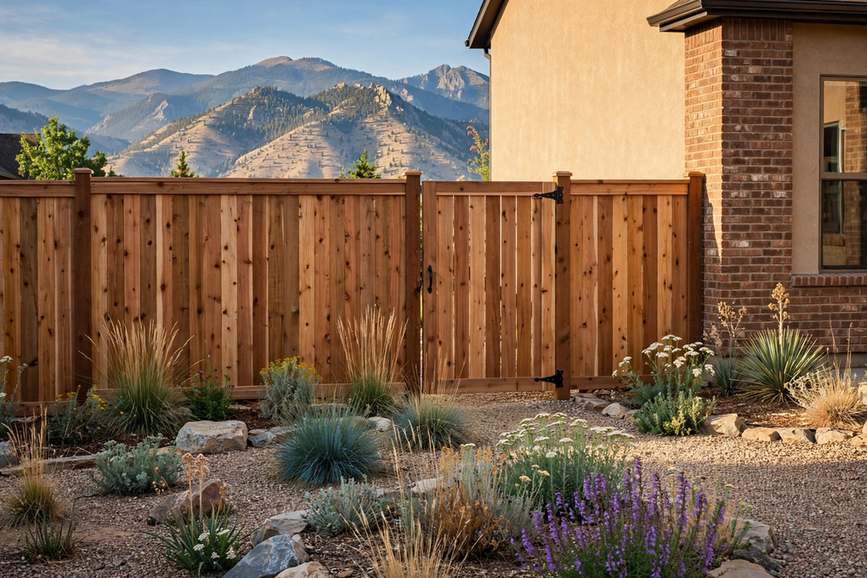
Narrow lots and front porches mean the neighbor's window is feet from your yard. The answer is a 6-foot cedar privacy run at the rear — the front stays low and open by rule and by character.
Alley orientation varies block to block, and some houses sit almost to the alley. Rear fence lines jog around outbuildings and garage entries instead of running straight.
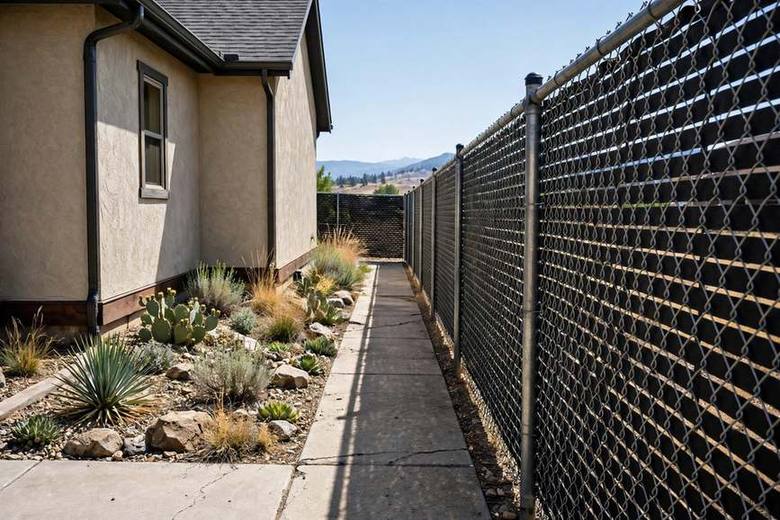
Newer townhomes and apartments beside 1890s cottages create abrupt fence-height transitions between neighboring lots, and the older side suddenly needs rear privacy it never needed before.
Baker's fences are mostly Victorian-era iron, picket, and cedar. These are the signs that yours needs attention.
Iron rails are rusting at the base or at welds
Rust at ground level spreads fast in clay soil. Catch it early and the fence can be repaired in place.
Picket fence is leaning after winter
Freeze–thaw heave moves shallow picket posts a little each year until the whole run leans.
Rear cedar fence is gray and soft at the ground line
High-altitude UV strips the finish, then moisture rots the pickets where they meet the soil.
Gate will not latch on an alley entry
Alley gate posts take daily wear and clay movement. A dragging gate is usually a moved post, not a bad gate.
Shared fence line with a duplex or multiplex
Converted Victorians often share a rear yard between units. Agree the material and the split with the other owner before work starts.
Four things about Baker that decide what fence goes where — and what rules apply to it.
About 150 acres and 30 blocks, designated a Denver landmark district in 2000. Fences inside it need a permit at any height and Landmark Preservation review. Check per address — the district covers only part of Baker.
Commercial-frontage lots on South Broadway need rear-yard privacy and noise screening, with any over-height fence going through Denver Zoning Code §10.5.5.
Alley orientation varies from block to block and some blocks lack alleys entirely. Rear fence lines and gate placement follow the alley, not a template.
Queen Annes, Classic Cottages, and Denver Squares on narrow lots with front porches. The streetscape value is the open porch and a low fence — a 6-foot solid front fence is not permitted in the district.
We work across Baker — the 1880s–1890s streetcar streets inside the Baker Historic District, designated a Denver landmark district in 2000 across about 150 acres and 30 blocks, and the Victorian streets outside it where the same low, open front and cedar privacy at the rear still fit. The district covers only part of the neighborhood, so the first thing we check on your address is whether Landmark Preservation reviews your fence at all, and whether the front stays at or under 4 feet and more than 50 percent open. Every job starts with a call, not a form: give us your Baker address, tell us whether you are on a South Broadway commercial edge or an irregular-alley block, and we will check the boundary before we quote.
Adjacent cities such as Aurora and Lakewood are not served. Call (720) 697-2456 to confirm we cover your Denver address.
Payless Fence Company is rated 4.9 out of 5 from 27 Google reviews. We show the aggregate rating here rather than individual review text. Call (720) 697-2456 and we will talk through your Baker fence job.
Baker's fence calendar follows the ground, not the calendar on the wall — and the historic district adds its own timing, since Landmark review comes before any build inside it. Spring is the busiest season, summer is prime building weather, fall is the practical window for repairs, and winter work depends on the ground and the forecast. Denver hail season runs roughly mid-April to mid-September, peaking in May and June.
Spring is when Baker's fences show the winter: leaned posts, heaved footings, ironwork that has shifted on a narrow lot. It is also the season to file district paperwork, since a fence inside the Baker Historic District needs Landmark review at any height.
Walk your fence line in March — and if your address is in the district, start the review before you choose a material.
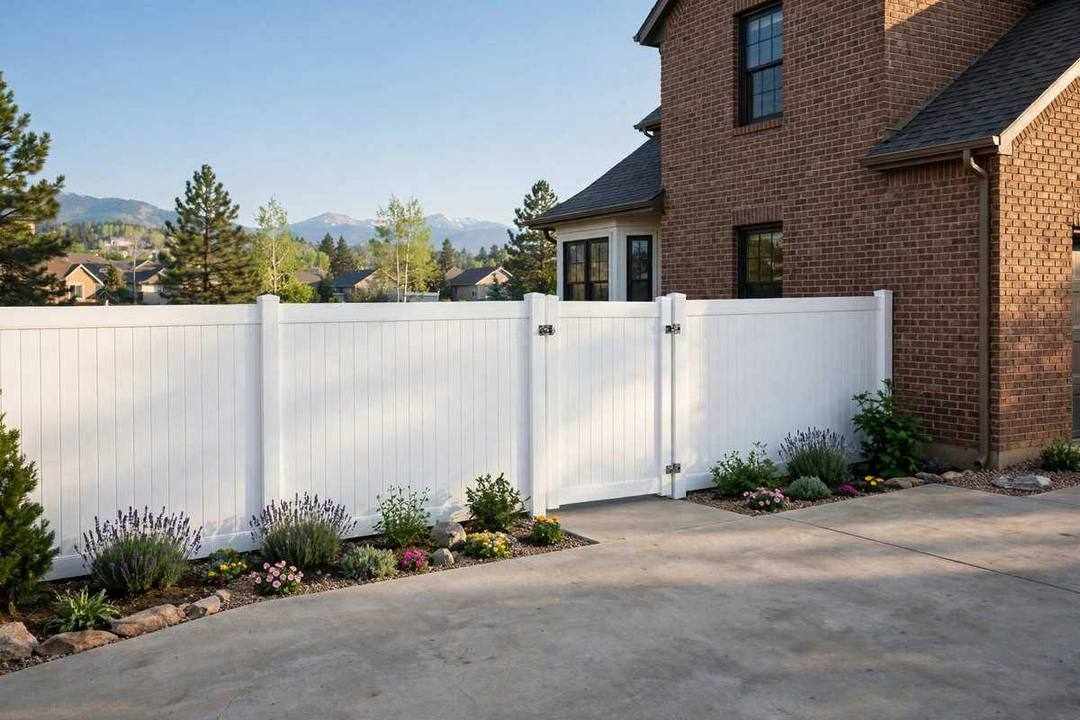
Summer brings long days and dry ground, so concrete sets fast — but it is also peak demand and peak hail season. On Baker's Victorian streets, low iron and picket take hail better than vinyl, which can crack.
After a hailstorm, check iron finials and picket tops for bends and splits before the damage spreads.
The practical window is fall, while the ground is still workable and before the first freeze. Posts go back in concrete, and gate hardware on a narrow Baker lot gets adjusted before ice makes a dragging gate worse.
Walk the fence line in September and fix the small stuff before the first freeze.
Winter building is possible with frost augers and concrete additives, but we reschedule below about 25°F, in heavy snow, or on saturated ground. Shallow posts heave a little more with every freeze–thaw cycle.
Snow load shows the weak posts fast — check the line after the first big storm.
Baker sits among Denver neighborhoods with their own housing stock and fence rules. These are the closest pages in our Denver set.
(Denver neighborhood)
Post-war brick ranches south of Baker, where the common job is replacing original chain link with cedar privacy.
View Athmar Park(Denver neighborhood)
Mansion rows and apartment courts, where the work is often a rear parking enclosure or courtyard fence.
View Capitol Hill(Denver neighborhood)
Brick 1900–1940 homes around the park ring, with low iron and picket fronts.
View Washington ParkReal answers for the questions we hear most often before a job starts in Baker.
If you need a fence installed, repaired, or replaced in Baker, call Payless Fence Company at (720) 697-2456. We are open Monday to Sunday, 7:00 AM to 8:00 PM, and we will talk through your narrow lot, your district boundary, and the rules that apply to your address.
Call (720) 697-2456 to talk about your fence in Baker. We are a phone-only business — no online form — open Monday to Sunday, 7:00 AM to 8:00 PM. Tell us your address and whether it falls inside the historic district, and we will check the boundary before we quote.
Phone
(720) 697-2456Address
Payless Fence Company LLC, Denver, CO 80201, US
Hours
Monday–Sunday: 7:00 AM – 8:00 PM