Vinyl vs Wood Fence in Denver: Which Lasts Longer?
Vinyl vs wood fence in Denver — which lasts longer? Hail, UV, freeze–thaw, and what each material asks of you over the years.
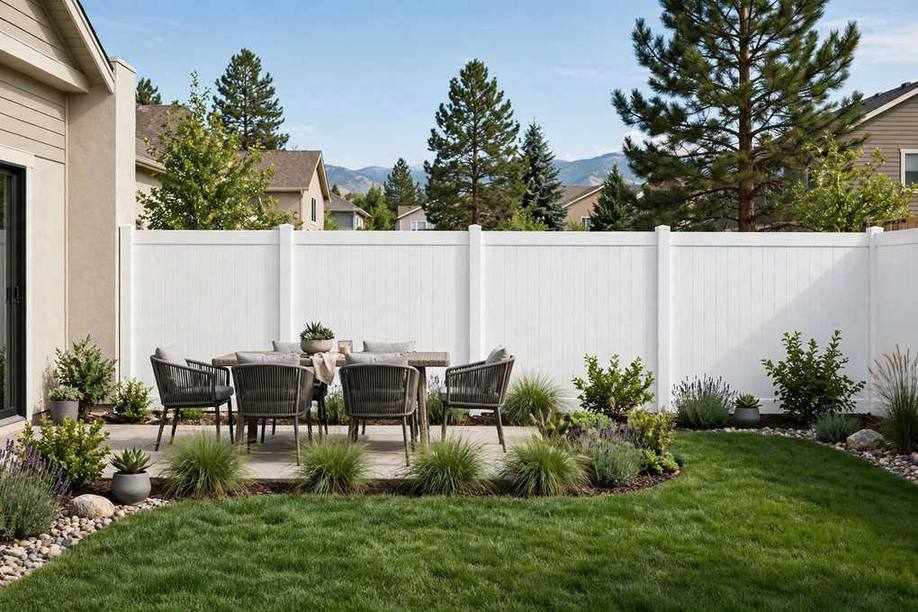
Vinyl vs wood fences in Denver: hail, UV, freeze–thaw, and what each material asks of you over the years.
Wood in Denver
Cedar is Denver’s default fence wood for a reason: it handles freeze–thaw, it can be repaired board by board, and it suits the city’s older brick neighborhoods. Its enemies are high-altitude UV, which grays it in two seasons, and water at the ground line, which rots posts.
Wood asks for maintenance — cleaning, staining, and sealing as DIY jobs, every few years — and it rewards it. A cedar fence with sound posts and a maintained finish lasts; a neglected one grays, splits, and leans.
Vinyl in Denver
Vinyl asks for almost no maintenance: it will not gray, rot, or need staining. But it has a Denver-specific weakness — hail. Vinyl is the most hail-vulnerable fence material, and a hailstorm can shatter panels that wood would dent. The 8 May 2017 storm caused $2.3bn in insured damage across the metro, and vinyl fences were among the casualties.
Vinyl also gets brittle in cold, and a single shattered panel is harder to replace invisibly than a single cedar picket. In a historic district, vinyl and PVC front fencing is discouraged by landmark guidelines.
The deciding factors
Hail exposure first: if your yard is open to the sky with no windbreak, wood forgives hail better than vinyl. Maintenance appetite second: vinyl wins if you never want to stain a fence again. HOA rules third — some HOAs specify one or the other.
On price, third-party market guides published Oct–Nov 2026 put cedar privacy at about $23–$56 per linear foot installed and vinyl at $25–$75. Those are market ranges, not our prices. Call (720) 697-2456 to talk through your yard.